La Mesa Fire, Bandelier National Monument
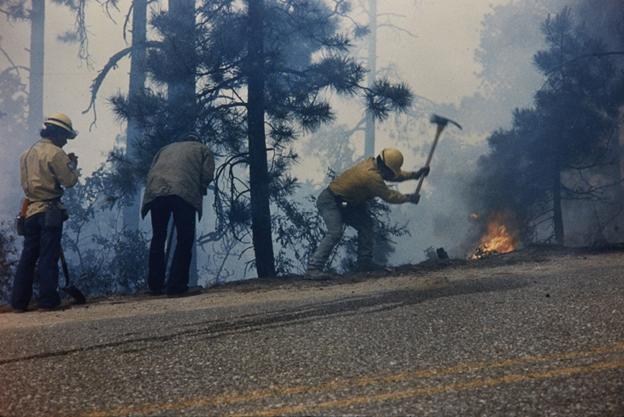
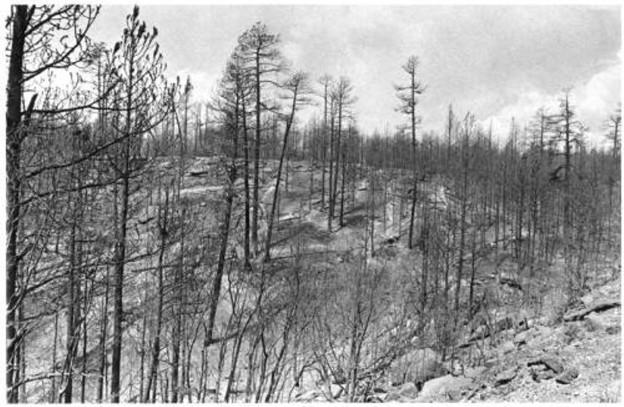
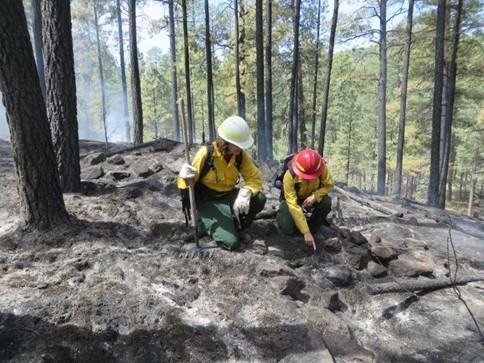
In national parks and monuments, flames pose a significant threat to archaeological resources. During the 1977 La Mesa Fire, Bandelier National Monument became the first known park to conduct archaeological surveys on fire lines.
Established in 1916 to preserve Ancestral Puebloan archaeological resources near Los Alamos, New Mexico, Bandelier National Monument historically experienced few wildfires. Because the park protected cultural resources instead of natural ones, it extinguished fires to protect archaeological sites. The nearby development of the atomic bomb at Los Alamos, New Mexico, also made the Pajarito Plateau a high-risk area for federal officials, contributing to rapid suppression policies.
In 1977, the U.S National Park Service (NPS) approved NPS-18, a nationwide policy that established new protocols for fire management. Under the new “let-burn” policy, the Park Service allowed natural fires to burn and experimented with deliberate burns in controlled areas. However, the National Historic Preservation Act required archaeological surveys to approve prescribed burn areas. These policies put Bandelier in a delicate position: it had to simultaneously avoid burning cultural resources and promote the let-burn approach. As a result, park managers at Bandelier continued to suppress blazes long after most of the park system allowed them to burn.
On June 16, 1977, the La Mesa Fire began in the Santa Fe National Forest near Bandelier’s park boundaries. Officials speculated that either a cigarette or a motorcyclist’s engine started it. Because it posed a risk to nearby communities, wildland firefighters worked to suppress La Mesa immediately. Hot, dry conditions and dense vegetation allowed it to spread quickly, threatening both residents and the national monument. By June 17, it entered Bandelier and started to advance towards Los Alamos. NPS evacuated families living in Bandelier’s Frijoles Canyon, demonstrating the immediate threat the flames posed to locals.
Below the surface of the ground, Bandelier contained numerous archaeological sites that researchers never examined. NPS used heavy equipment, including bulldozers, to construct physical barriers where flames could not access fuel. The blaze itself also threatened to destroy delicate structures. These factors meant both La Mesa and the efforts to stop it endangered the national monument. In response, Park Service scientist Millford R. Fletcher worked with cultural resource manager Cal Cummings to enlist volunteer archaeologists on fire lines who surveyed land in front of heavy equipment and recommended locations that would minimize damage to archeological sites. While they could not survey every line in the area, La Mesa damaged only forty percent of the cultural resources it threatened, demonstrating their effectiveness.
On June 21, summer rain slowed La Mesa down, allowing firefighters to contain it. It burned over 23,000 acres, becoming the largest wildfire on the Pajarito Plateau in the twentieth century. The blaze exposed gaps in NPS fire policy, which had not historically accounted for archaeological resources. While federal officials did not address the issue, park managers at Bandelier developed a new management system that ignited small, carefully monitored burns to determine whether officials could safely implement let-burn procedures near cultural resources.
Images