Sutter's Fort: The Donner Party's Last Chapter
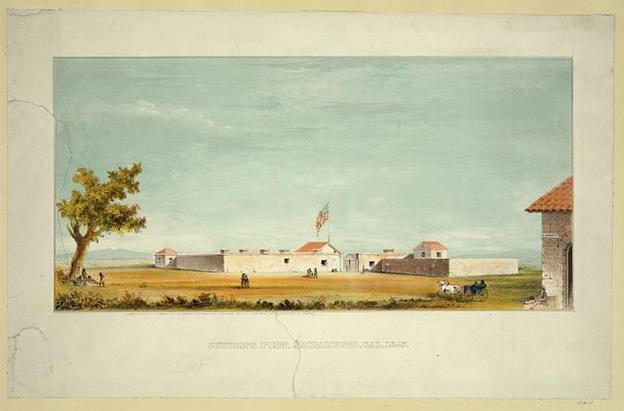
Brannan, S., Photograph courtesy of and used with permission by the Library of Congress, 1866.
This fort, which began construction in 1840, served as one of the last stops for emigrant trains bound for Alta-California, and marks the end of the Donner Party’s expedition. Slave labor, the gold rush, and the rescue of the Donner Party all contribute to the legacy of both the fort and its creator.
John Sutter constructed this fort, which is located in modern-day Sacramento, California. Originally from Switzerland, Sutter left his wife and children under the threat of arrest for unpaid debts, and after traveling the United States and Mexico settled in the Mexican province of Alta-California in 1839. An aspiring businessman, he constructed his fort to serve trappers, migrants, and mountain men representing the Swiss, American, and Russian citizens prevalent in the region. One of the most controversial aspects of Sutter’s character became apparent as construction of the fort began: slavery. Sutter, having purchased a Native slave boy in 1838, was keen to implement the labor of enslaved Native Americans at his fort, using it to his advantage in constructing and maintaining the fort. It is even theorized that a pair of Native guides he sent to the Donner Party were originally his slaves.
Sutter first came into contact with the Donner party in early Autumn of 1846, when Charles Stanton and William McCutchen reached the fort to retrieve supplies for the ailing party. McCutchen stayed at the fort due to ill health, and Stanton returned to the Donner party along the Humboldt River with supplies and the two aforementioned Native American guides, Luis and Salvador. An emaciated and freshly banished James Reed, a principal leader of the Donner Party, arrived soon thereafter on October 28th. Two days later, Reed and a recuperated McCutchen left to attempt to reach the party, but like their families on the other side of the mountain, deep snow blocked their way. For the next 4 months, Reed and McCutchen had to wait knowing that their families were snowed-in on the other side of the mountain, unable to do anything. In early February of 1847, Sutter offered $3 a day to any man willing to join a rescue party into the mountains, which some accepted and formed the first relief party which left on February 7th. Daniel Rhoads, one of the men in the first relief party to reach Truckee Lake on February 19th said that when they arrived Mrs. Murphy popped up from the deep snow and hoarsely said, “Are you men from California or do you come from heaven?” Over the next months, the relief parties employed and sent by John Sutter would be instrumental in saving lives. He even employed several rescued members of the party after their recuperation.
Sutter attempted to profit off the gold rush after his assistance to the Donner Party but again ran into problems with paying his debts. Eventually losing his land grant, he attempted to receive restitution from the United States with little success. Sutter later moved east to Pennsylvania, and died of kidney failure on June 18th, 1880. His history is complicated. He enslaved and abused Native Americans in the pursuit of wealth and was seen as a swindler by some who did business with him. At the same time, without his aid towards the Donners, many more lives would have been lost in the Sierra Nevadas.
Lewis Keseberg was the last survivor of the Donner Party to arrive at Sutter’s Fort in late April of 1847. The survivors attempted to settle in California with varying levels of success. Some made a fortune in the gold rush, others remarried or were taken in by other families, or some carried their burdens for the rest of their lives, suffering rejection and disgust if they admitted to or were rumored to have engaged in cannibalism. Their journey may have ended at Sutter’s Fort, but their stories and legacies have endured for much longer. They remain the most infamous emigrant group of westward migration, showcasing the dangers of crossing the untamed West.
Images
Brannan, S., Photograph courtesy of and used with permission by the Library of Congress, 1866.
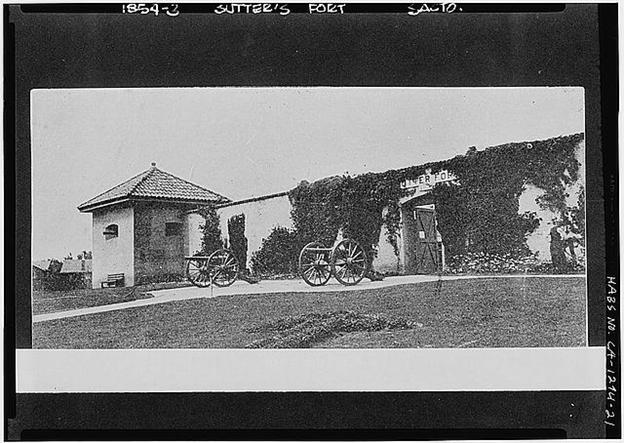
Photograph courtesy of and used with permission by the Library of Congress, 1854.
https://www.loc.gov/pictures/resource/hhh.ca0546.photos.014806p/
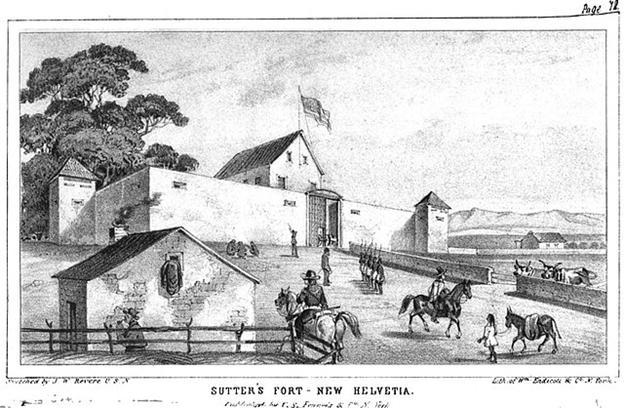
Warren, Joseph R., Photo retrieved from Wikimedia Commons, the free media repository, 1849.
https://commons.wikimedia.org/wiki/File:Sutter%27s_Fort_-_1849TourofDuty.jpg

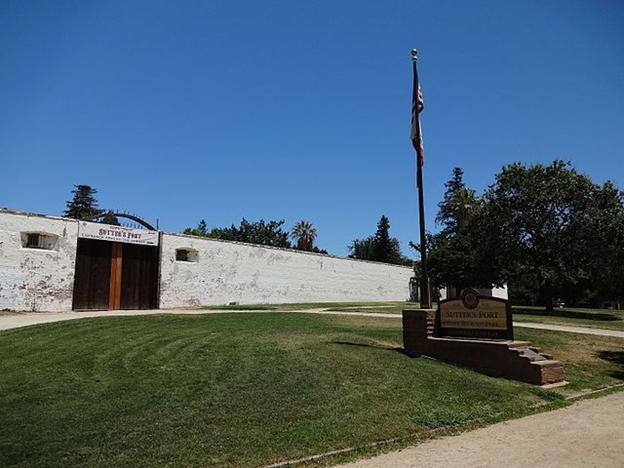
Cheng, Holly, Photo retrieved from Wikimedia Commons, the free media repository, 12 June 2015.
https://commons.wikimedia.org/wiki/File:Sutter%27s_Fort_exterior.JPG

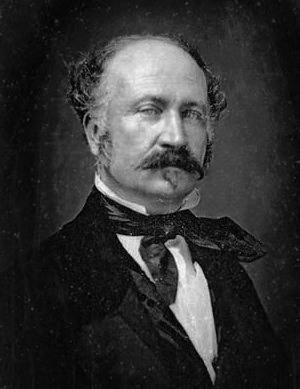
Retrieved from Wikimedia Commons, the free media repository, 1850.
https://commons.wikimedia.org/wiki/File:John_Augustus_Sutter_c1850.jpg
