Johnson’s Ranch and the Donner Party’s Forlorn Hope
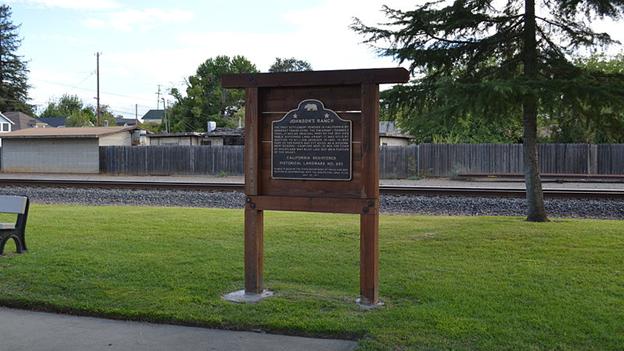
Photo retrieved from Wikimedia Commons, the free media repository, 29 September 2013.
https://commons.wikimedia.org/wiki/File:Johnson%27s_Ranch_plaque.jpg

This ranch on the Western slope of the Sierra Nevada Mountain Range in modern-day California was owned by trader William Johnson. In early 1847, its inhabitants first witnessed the horrible state of the Donner Party, sounding the alarm of the plight of the trapped emigrant party.
In January, two Native Americans brought in a straggler from the Donner Party, William Eddy. He was frostbitten, emaciated, and delirious from over a month-long trek through the snow-capped mountains. He and others were sent off by the desperate Donner Party who were entrapped at Truckee Lake on the other side of the mountains. This group, known as the “Forlorn Hope”, featured fourteen of the strongest survivors from the Donner Party. On December 16th, 1846, they fashioned themselves snowshoes and moseyed up the mountains to reach the nearest settlement. Snow blindness and starvation quickly slowed their progress. Charles Stanton, the man who had already been to Sutter’s Fort to retrieve supplies in 1846 and only returned to help his family, was too exhausted to move and was left by the group after several days of hiking.
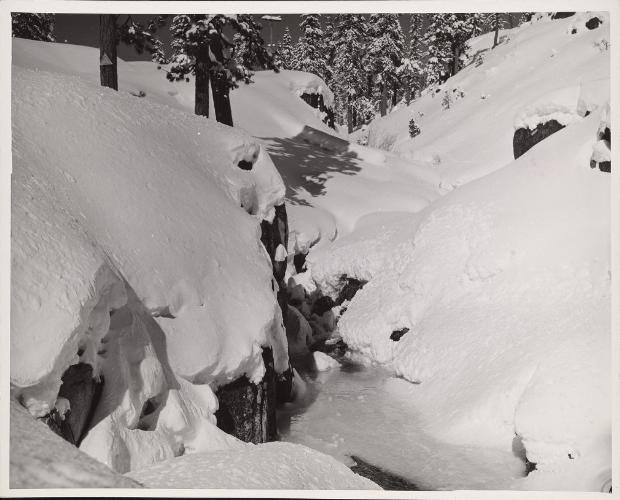
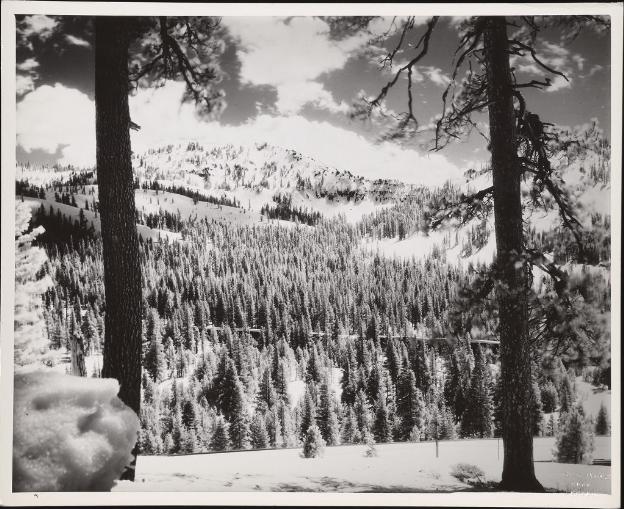
Snow impeded their progress further and desperation quickly set in. Some suggested drawing lots or a fight to the death to decide who should be cannibalized for survival. They chose instead to eat whoever perished first. On Christmas Eve, a Mexican named Antonio perished first. On Christmas Day, he was followed by Franklin Graves, then Patrick Dolan, and finally Lemuel Murphy, all dying from hypothermia induced delirium. These deaths all occurred in a violent blizzard where it was impossible to light a fire. When the storm broke, they lit a fire and began the process of cutting and eating their dead, “averting their faces from each other, and weeping” as they ate. They refrained from eating their kin, and William Eddy only ate when he could go no further.
The gauntly starved and frostbitten emigrants trekked on, their tracks stained red with blood. Within a few days the human flesh they had preserved was gone. Eddy stopped William Foster from killing the two Native guides previously sent by Sutter, Luis and Salvador. Fearing for their lives, the duo left the camp. The white emigrants followed their bloodied tracks the next day. The group found the exhausted hobbles of Luis and Salvador several days later, laid out in a creek. William Foster shot and cannibalized them both. The group stumbled along, hobbling into Indian villages but not able to recuperate off the natives' skimpy diet of nuts and cooked acorns. Eventually Eddy pressed on while the women sat at the side of the trail, unable to continue. For miles Eddy walked with the assistance of a Native American guide. For the last few miles, he was hoisted along, his energy completely spent. Reaching Johnson’s Ranch, 150 miles away from Truckee Lake, he only asked for bread as he collapsed. As he recuperated, riders were sent up the trail to retrieve the women and Foster. Of the 14 who left Truckee Lake, only 7 arrived at Johnson’s Ranch, all deaths being male.
The Forlorn Hope succeeded, at great cost. The alarm sounded as supplies and relief parties were organized at Sutter’s Fort, the main staging area for relief efforts. The first relief party reached the entrapped Donner Party on February 19th, and the parties that followed would save countless lives. Johnson’s Ranch did not have the facilities to stage the relief effort, but it did bring the Forlorn Hope back from the dead. The group recuperated with the settlers’ assistance, and they settled in California in the Summer of 1847. Unfortunately, many family members, including William Eddy’s wife and children died back at the camp. Eddy even threatened to kill Lewis Keseberg, a German immigrant who cannibalized his three-year-old son. The Forlorn Hope is a story that encapsulates the moral highs and lows of westward migration. To reach Johnson’s Ranch they endured blizzards, walked for days on end, and cannibalized each other on the chance that their families would survive. Johnson’s Ranch and the trail they foraged may be houses and recreational land now, but it remains the site of one of the most infamous and intriguing stories of westward migration.
Images
Photo retrieved from Wikimedia Commons, the free media repository, 29 September 2013.
https://commons.wikimedia.org/wiki/File:Johnson%27s_Ranch_plaque.jpg
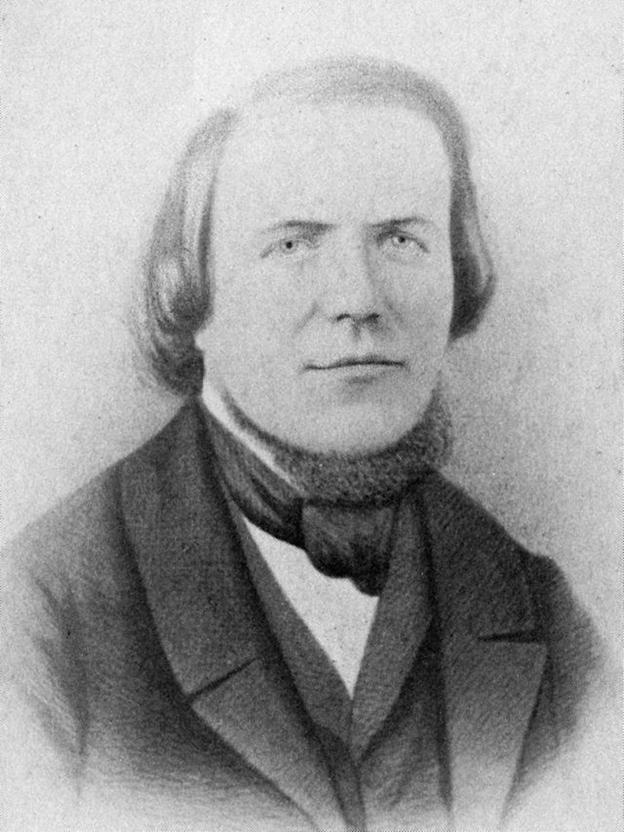
Photo retrieved from Wikimedia Commons, the free media repository, before 1859.

Church, James E., University of Nevada-Reno, Special Collections and University Archives Collections, James Edwin Church Papers, Series 22, 1935.
Church, James E., University of Nevada-Reno, Special Collections and University Archives Collections, James Edwin Church Papers, Series 22, 1935.