The Donner Party at Fort Laramie
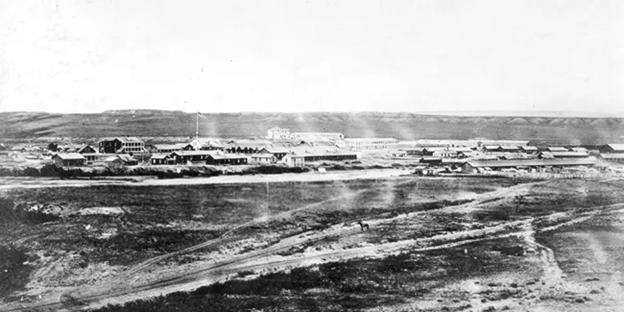
National Park Service, Fort Laramie in 1877, accessed November 6th, 2024. https://www.nps.gov/fola/learn/historyculture/index.htm
On June 27th, 1846, George Donner led a group of westward-bound emigrants from Illinois into Fort Laramie in what is now eastern Wyoming, but then unorganized territory. Fort Laramie was considered the doorway to the Intermountain West for travelers on the Overland Trail. For the Donners it would be considered the doorway to the first of many errors which made them the most infamous pioneers in American history.
Fur trapper and trader William Sublette originally constructed the Fort in 1834. Emigrant trains and trappers used it as a stopping point and resupply station between the West and the East. It was here that the Donner party made a disastrous route decision to take an untested trail which would lead to their downfall and infamy.
The Donner family was from Illinois, and like other emigrant parties, knew little of the Western terrain outside of maps and journals. Before the Donners’ arrival, mountain men, fur trappers, and explorers had been devising routes westward out of Fort Laramie for emigrants to quickly and ‘safely’ travel to Oregon Country (which the U.S. co-managed with Great Britain) or the present-day areas of California that were then part of the larger Mexican territory of Alta California. The decision to stray from the traditional route was based on Lanford Hastings’ 1845 The Emigrants guide to Oregon and California. An explorer and eventual confederate soldier, Hastings described a westward route variation that would become known as the “Hastings Cutoff.” He wrote that the traditional route to get to central California could be hastened if one were to cut through the deserts of present-day western Utah and Nevada (then part of Mexican Alta California) instead of going north through present-day Idaho (then part of Oregon Country). They relied on the words of explorers like Hastings while planning their journey, even if the validity of these claims were yet untested.
Fearing the viability of Hastings Cutoff, famed mountain man James Clyman told one of the leaders of the party at Fort Laramie, James Reed, to “take the regular wagon track and never leave it–it is barely possible to get through if you follow it–and it may be impossible if you don’t.” Clyman’s warning fell on deaf ears. After leaving Fort Laramie in early July, many families decided to take the Hastings Cutoff. This decision proved fatal, eventually resulting in the death of 40 emigrants by the Spring of 1847. With George Donner chosen as the group’s captain, the collection of families that followed his lead to the Hastings Cutoff bear his name. The families that chose to take the Hastings Cutoff elected George Donner as its leader, with the group bearing his name. At Fort Bridger, in present-day southwestern Wyoming, they diverted southwest on the cutoff whereas the main company led by Lilburn W. Boggs continued on the traditional route which turned northwest from Fort Bridger towards Fort Hall in present-day southeastern Idaho. The Boggs party arrived safely in California in November 1846. The Donner Party did not.
The fort continued to play a role in migration, trading, and military activities in the years to come. Notable groups to pass through were the Latter-Day Saint migration of 1847, the gold rush of 1849, and the establishment of a military post in July of 1849. It became the site of several treaties signed between the federal government and Native Americans designed to reduce violence against emigrant trains. The Donner Party had not had conflicts with Native Americans on the plains, even though it was a concern for emigrants leading up to Fort Laramie. The Donners didn’t know it yet, but the decisions made here would lead to massive time loss, conflicts with Native Americans, and a heavy toll on their emotional health.
Images
National Park Service, Fort Laramie in 1877, accessed November 6th, 2024. https://www.nps.gov/fola/learn/historyculture/index.htm
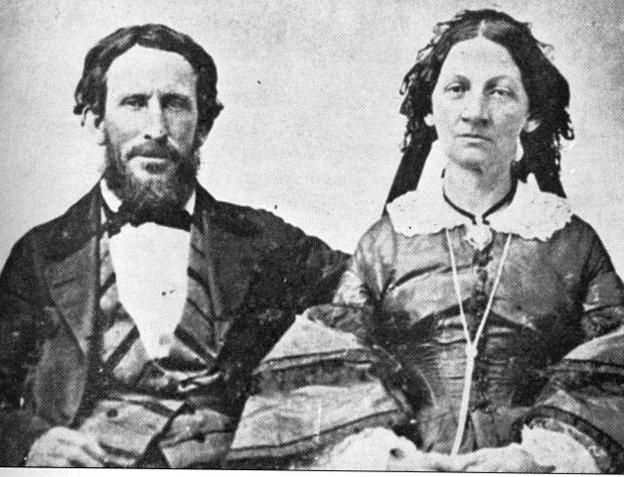
Photo retrieved from Wikimedia Commons, the free media repository. The original photo is at the Bancroft Library, University of California, Berkeley. Photographer Unknown, before 1862.
https://commons.wikimedia.org/wiki/File:JamesMargaretReed.jpg

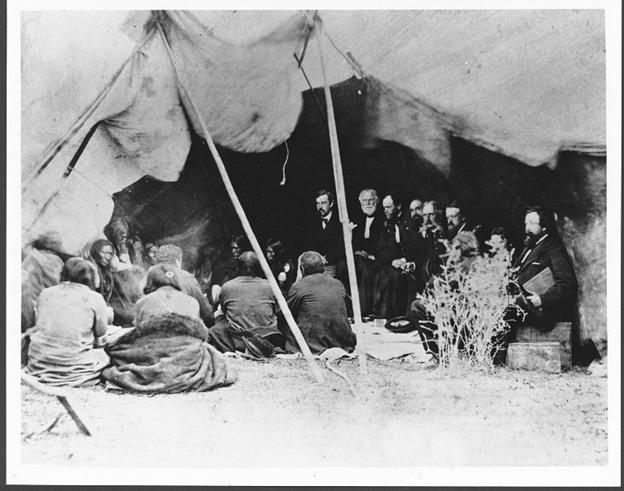
University of Wyoming, American Heritage Center, Photofile: Fort Laramie, WY-Indians, Negative Number 15610, 1886.
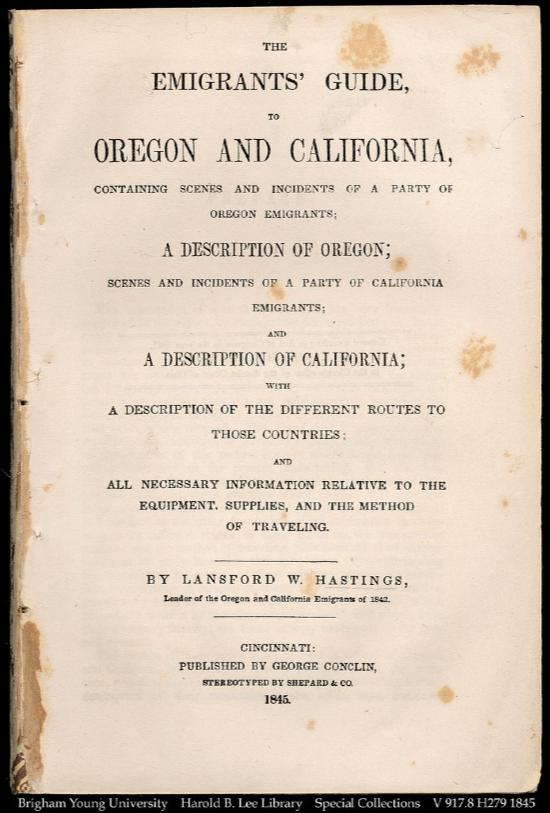
https://contentdm.lib.byu.edu/digital/collection/TrailGuides/id/2978
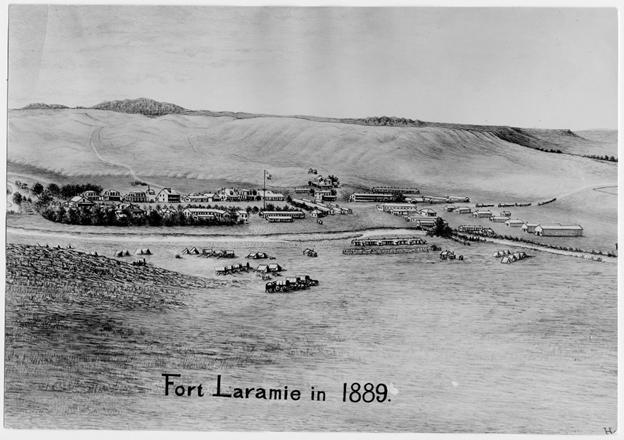
University of Wyoming, American Heritage Center, Grace Raymond Hebard Papers, Accession Number 400008, Photograph Subject Files, Forts-Laramie-Drawings and Paintings.
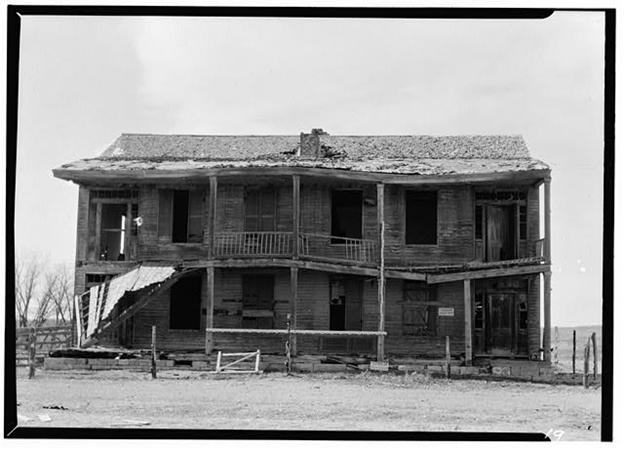
Photograph courtesy of and used with permission by the Library of Congress, after 1890.
https://www.loc.gov/pictures/item/wy0002.photos.174980p/resource/
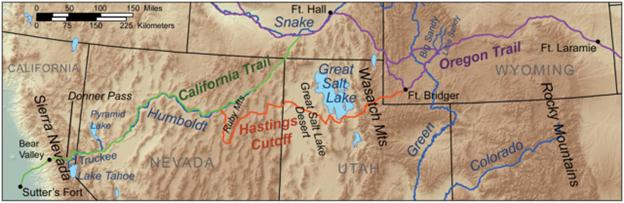
Photo retrieved from Wikimedia Commons, the free media repository, 19 March 2010.
https://commons.wikimedia.org/wiki/File:Donner_route_map.png
