Queen of Heaven Orphanage
.jpg)
In the aftermath of her traumatic childhood, Mother Cabrini devoted her life to bettering the lives of young girls and orphans, especially in immigrant communities. Golden, Colorado is home to an orphanage and summer camp she built entirely from local donations and volunteer work.
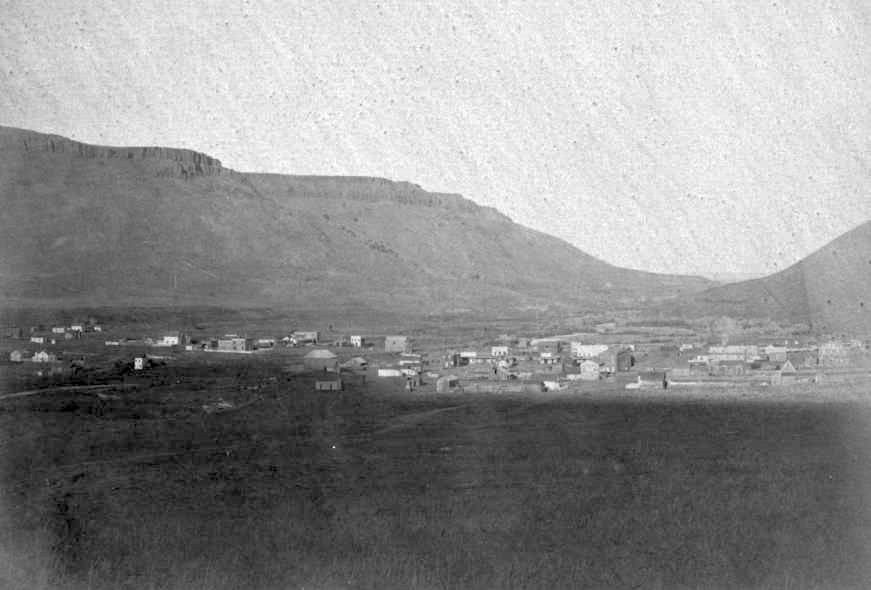
In the aftermath of the Mexican American War, the Southern Rocky mountains became a new frontier of U.S. westward expansion. The region gained lots of traction during the Pike’s Peak gold rush, beginning in 1859. By 1861 Colorado was organized as an official U.S. territory. In the following decade the first Italian immigrants arrived in the territory.
Living for the hope of a better life, immigrants who arrived in Colorado were subject to dangerous and unfair work conditions, discrimination, and little opportunity to rise above their station. As adults worked tirelessly up until their premature deaths either in the mines or railroad construction, their children were often left orphaned and utterly alone. With a language barrier and lack of education opportunities, the future did not look bright for the children of immigrants.
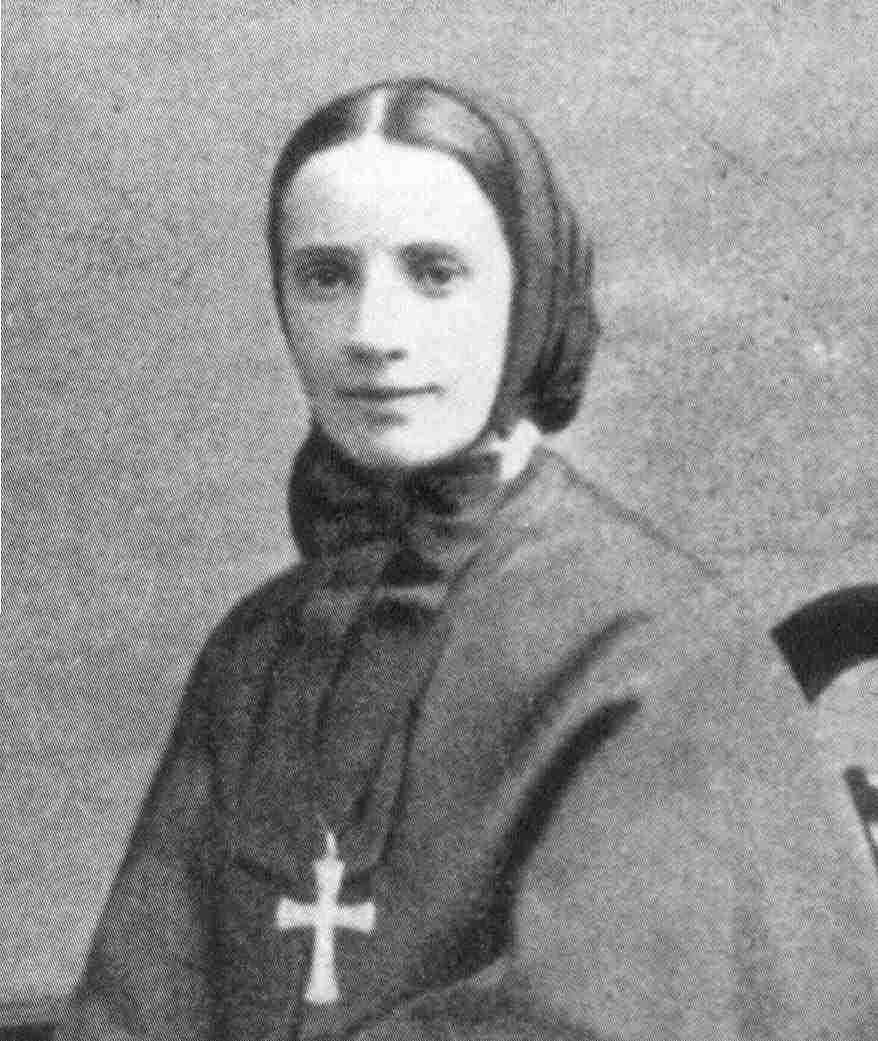
Maria Francesca Cabrini, born just outside of Milan, Italy in 1850, would spend the latter part of her life in America where she came to be known as the patron saint of immigration. Her childhood was fraught with illness and a near death experience, giving her the conviction that she had been preserved by God for a special purpose. After graduating with cum laude for her religious education, Mother Cabrini devoted her life to serving underprivileged communities and children. Her first major project was the revitalization of a run-down orphanage in Northern Italy. In 1889 she came to America where she founded several orphanages that pushed the boundaries for a typical institution of the era. Mother Cabrini was renowned for her compassion. While other orphanages kicked children out onto the streets as young as fourteen, she extended the age of asylum by several years.
In 1904 Mother Cabrini, who had taken on the name Frances Xavier Cabrini, established the Queen of Heaven Orphanage in Golden, Colorado. The project was funded from bits of spare change donated from children and adults throughout the state. After purchasing the land, Mother Cabrini recruited sisters from the Missionary Sisters of the Sacred Heart of Jesus to help both in constructing the buildings and caring for the children. The Queen of Heaven Orphanage served as a temporary home to primarily immigrants and first-generation children, who had been orphaned or abandoned due to the gruelling conditions of life on the frontier.
In the summer months the orphanage doubled as a camp for all of the children in the community. The small dairy farm on the property, run by both the nuns and the children, provided an abundance of ice cream for their consumption. The orphanage and summer camp were closed down in the late 1960s. In 2000 the Queen of Heaven Orphanage was added to the National Register of Historic Places.
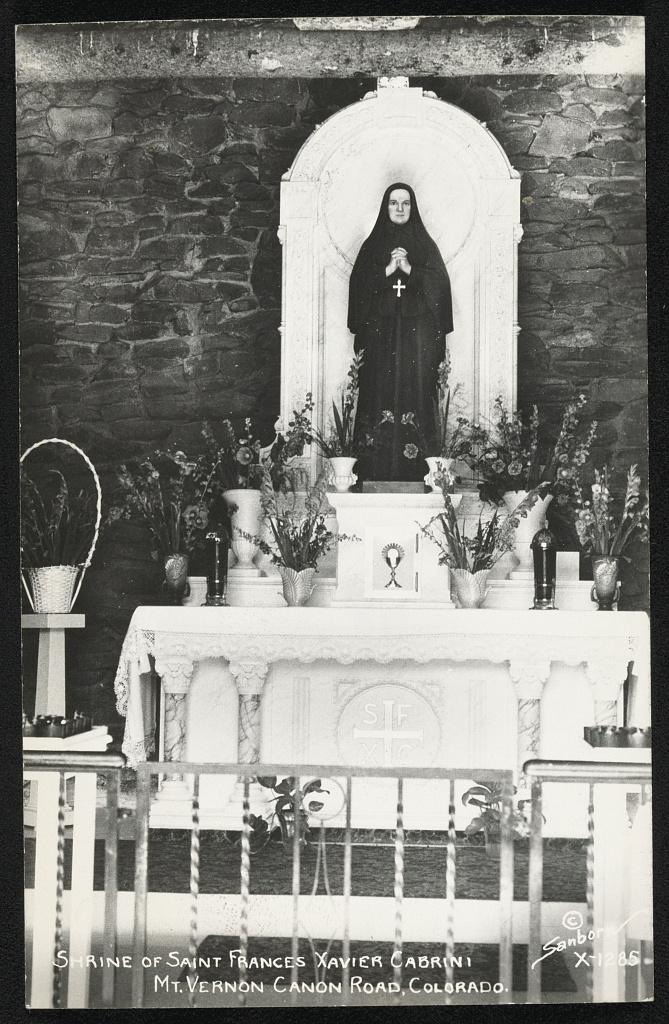
Mother Cabrini continued her mission in devotion until her death in 1917. She was canonized as a saint by Pope Pius XII. Her legacy is well reflected in her statement, “What we as women cannot do on a large scale to help solve grave social ills is being done in our small sphere of influence in every state and city where we have opened houses. In them we shelter and care for orphans, the sick and the poor.”
Images