Glacier National Park’s Fleet and Captain J.W. “Billy” Swanson
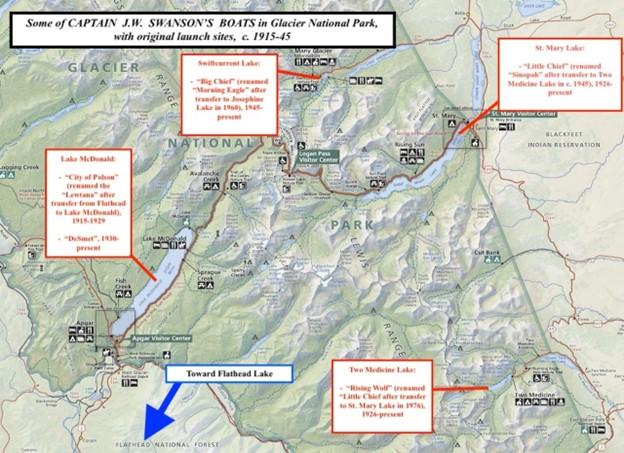
Park Map - Glacier National Park. Map. Originally created October 6, 2022. Modified by Anaëlle DePoint. National Park Service. https://www.nps.gov/media/photo/collection-item.htm?pg=7347320&cid=305fb7af-a71b-469b-941e-a98b439c882f&id=9fe2fe28-43af-4574-8dde-2555a2657aca&sid=6b23a971-d29b-44ce-8506-e53428f218e8&p=1&sort=relevance
https://www.nps.gov/npgallery/GetAsset/9fe2fe28-43af-4574-8dde-2555a2657aca/proxy/hires?
Glacier National Park boasts a sprawling alpine landscape, with dozens of glacial lakes nestled between mountain faces and valleys. One concessionaire and expert craftsman, Captain J.W. “Billy” Swanson, constructed fleets of scenic cruisers and smaller boats that would allow visitors to soak in all Glacier had to offer.
Congress established Glacier National Park, located in northern Montana and close to the Canadian border, in 1910. The 1892 arrival of the Great Northern Railroad in the area facilitated an uptick in national park tourism. Glacier’s peaks and clear waters mirrored those featured in the traditional, lengthy European vacation. Early hotel concessionaires recognized this parallel and fashioned lodgings like Swiss chalets. Hiking trails and saddle ride routes first expanded access to the park, but as visitation increased, tourists wanted more comfortable, accessible ways to experience Glacier. Not only could boats link tourists to trails across lakes, but it could also connect guests from nearby towns to the park. Automobiles became the most efficient way to travel upon the completion of the Going-to-the-Sun Road in 1933, but boating remained a uniquely scenic way to explore the park.
Even before the federal government established Glacier, entrepreneurs were providing visitor services on Lake McDonald. By 1895, George Snyder purchased a steamship to ferry guests across the length of Lake McDonald to his hotel at the top, a trip that would often take an entire day.
As Glacier’s popularity rose, so did the demand for boat travel. Captain J.W. “Billy” Swanson was the park’s most prominent boat concessionaire and builder for three decades. After running a boat-building operation on nearby Flathead Lake, Swanson moved his business to Glacier’s west side in 1911. He was known for his quality craftsmanship, ambitious personality, and willingness to go to extreme lengths in ensuring his boats’ success. In 1915, he hauled his steamship City of Polson, built for the Lewis Hotel owner John Lewis, upriver through a narrow canyon from Flathead Lake. After traveling over muddy, primitive roads to Lake McDonald, it was renamed Lewtana for ferrying and scenic touring on the lake.
Amongst other concessionaires, the captain built boats for the Great Northern’s tourism subsidiary, Glacier Park Hotel Company (GPHC). In 1920, the National Park Service granted him his own concession permit to build scenic cruisers and rental boats in Glacier’s eastern region. He built the Little Chief (St. Mary Lake) and the Rising Wolf (Two Medicine Lake) for the GPHC in 1926. The company also commissioned the International for its Canadian-American operation in 1927. He returned to west Glacier to build the DeSmet for the Glacier Park Transport Company, another boat and bus tour concessionaire, in 1930. When Swanson’s finances declined in 1938, the Glacier Park Boat Company (GPBC) bought the captain’s boats and concession rights. Arthur Burch, the company head, ran the boats with Swanson until World War Two broke out. In 1945, they built the Big Chief on Swiftcurrent Lake together. This boat would turn out to be the captain’s last in Glacier.
Captain Swanson maintained good relationships with park administrators and other concessionaires. Swanson’s superior craftsmanship is his strongest legacy, though. The GPBC, still run by the Burch family, operates with Swanson’s original fleet. Even though a century has passed, modern passengers can ride across the same waters, stand on the same decks, and view the same scenic landscapes that so many enjoyed before them.
Images
Park Map - Glacier National Park. Map. Originally created October 6, 2022. Modified by Anaëlle DePoint. National Park Service. https://www.nps.gov/media/photo/collection-item.htm?pg=7347320&cid=305fb7af-a71b-469b-941e-a98b439c882f&id=9fe2fe28-43af-4574-8dde-2555a2657aca&sid=6b23a971-d29b-44ce-8506-e53428f218e8&p=1&sort=relevance
https://www.nps.gov/npgallery/GetAsset/9fe2fe28-43af-4574-8dde-2555a2657aca/proxy/hires?
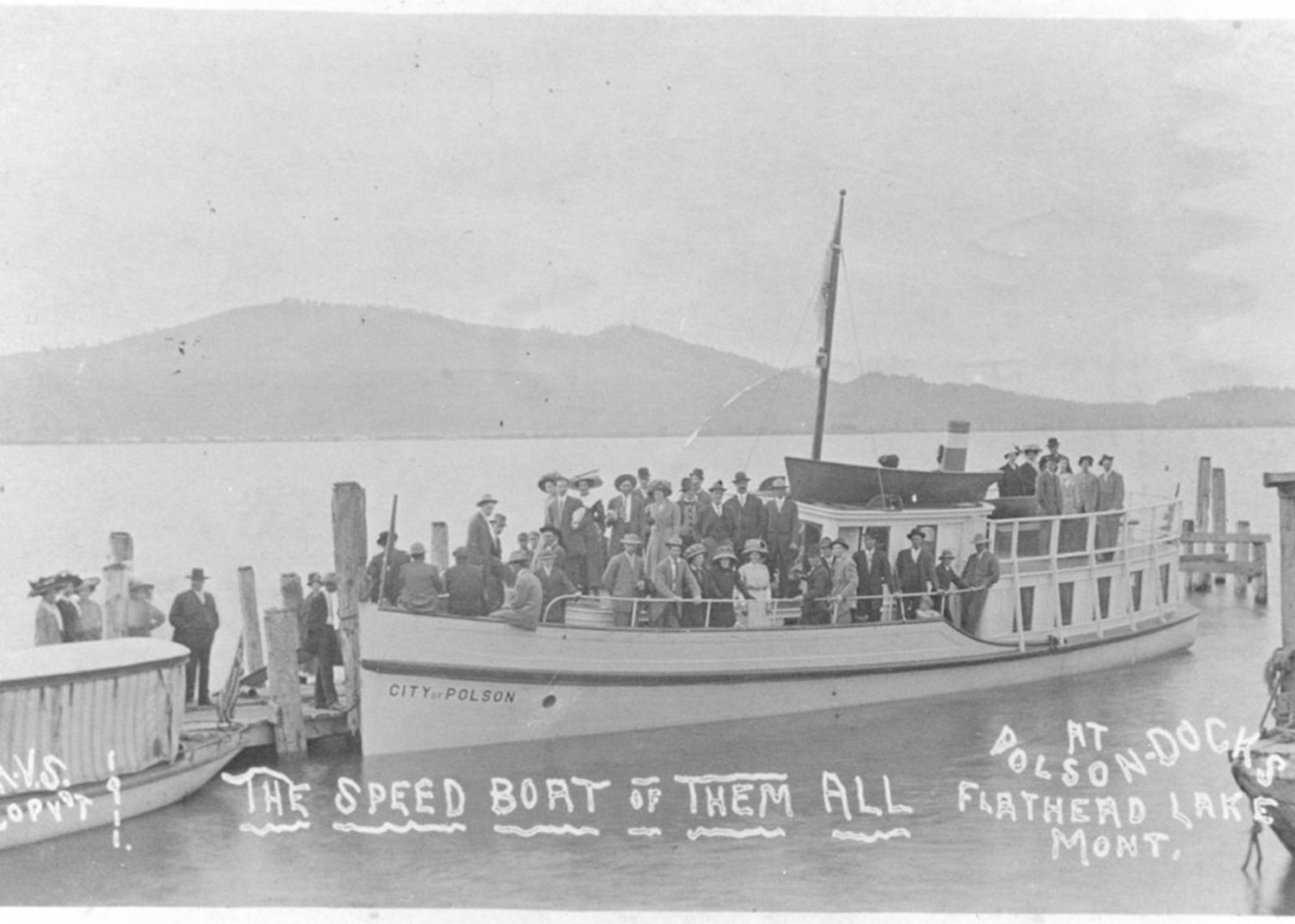
Thiri, Al. The Speed Boat of Them All. 1911. Montana History Portal. Accessed April 25, 2025. https://www.mtmemory.org/nodes/view/79190.

Hileman, T.J. The “DeSmet” boat being pulled on a trailer while en route to Lake McDonald. Photograph, ca. 1930. Montana History Portal. Accessed May 7, 2025.
https://www.mtmemory.org/nodes/view/113092?type=all&lsk=79022da10e457cb7eeaf83d99cc60906https://www.mtmemory.org/assets/display/831601-max?u=6d2720ac24386540a71344daf7641672
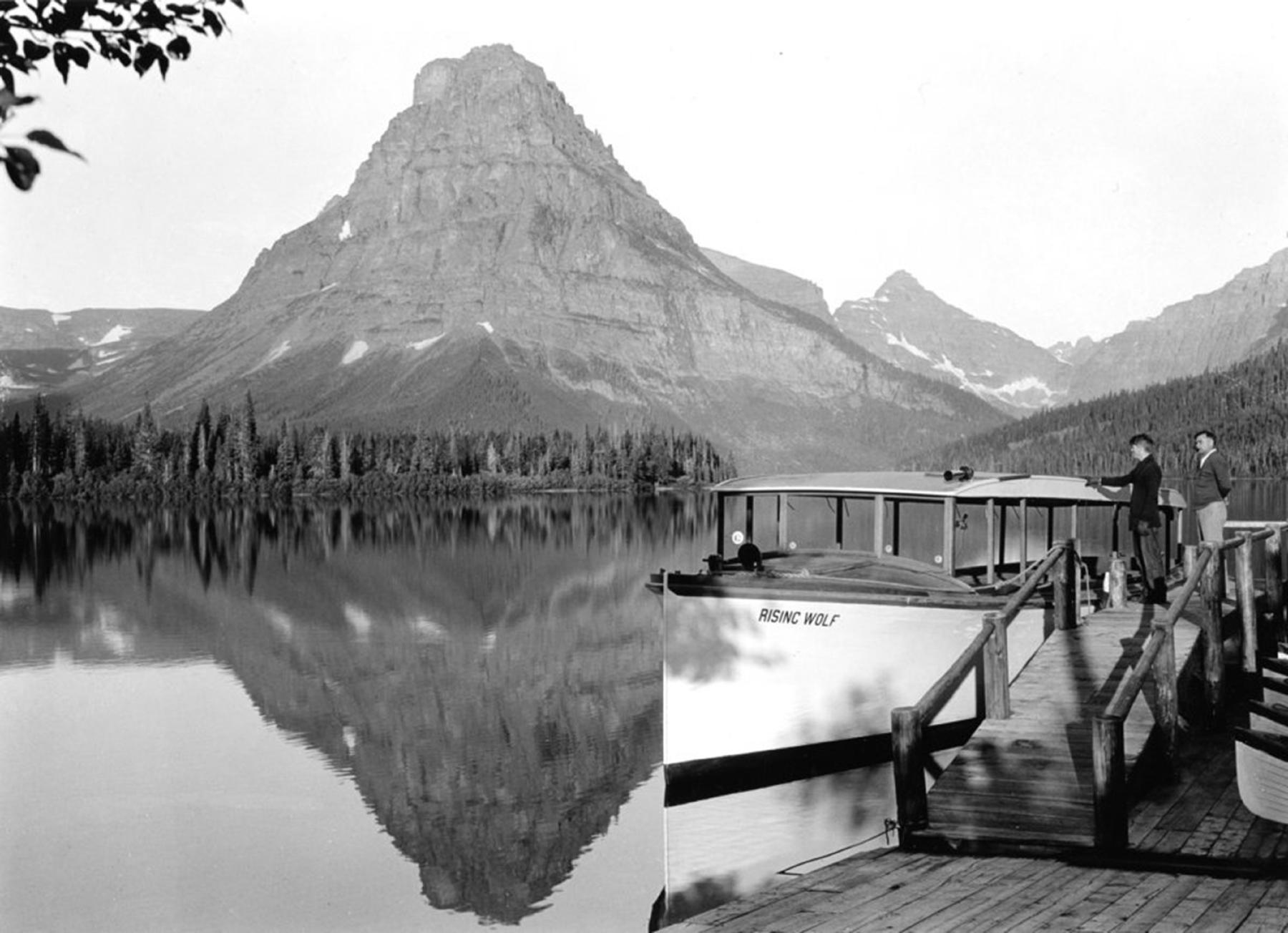
Grant, George Alexander. Boat landing at Two Medicine Lake, Sinopah Mountain, and bow of "Rising Wolf" launch. July 16, 1932. Montana History Portal. Accessed April 25, 2025. https://www.mtmemory.org/nodes/view/5181.
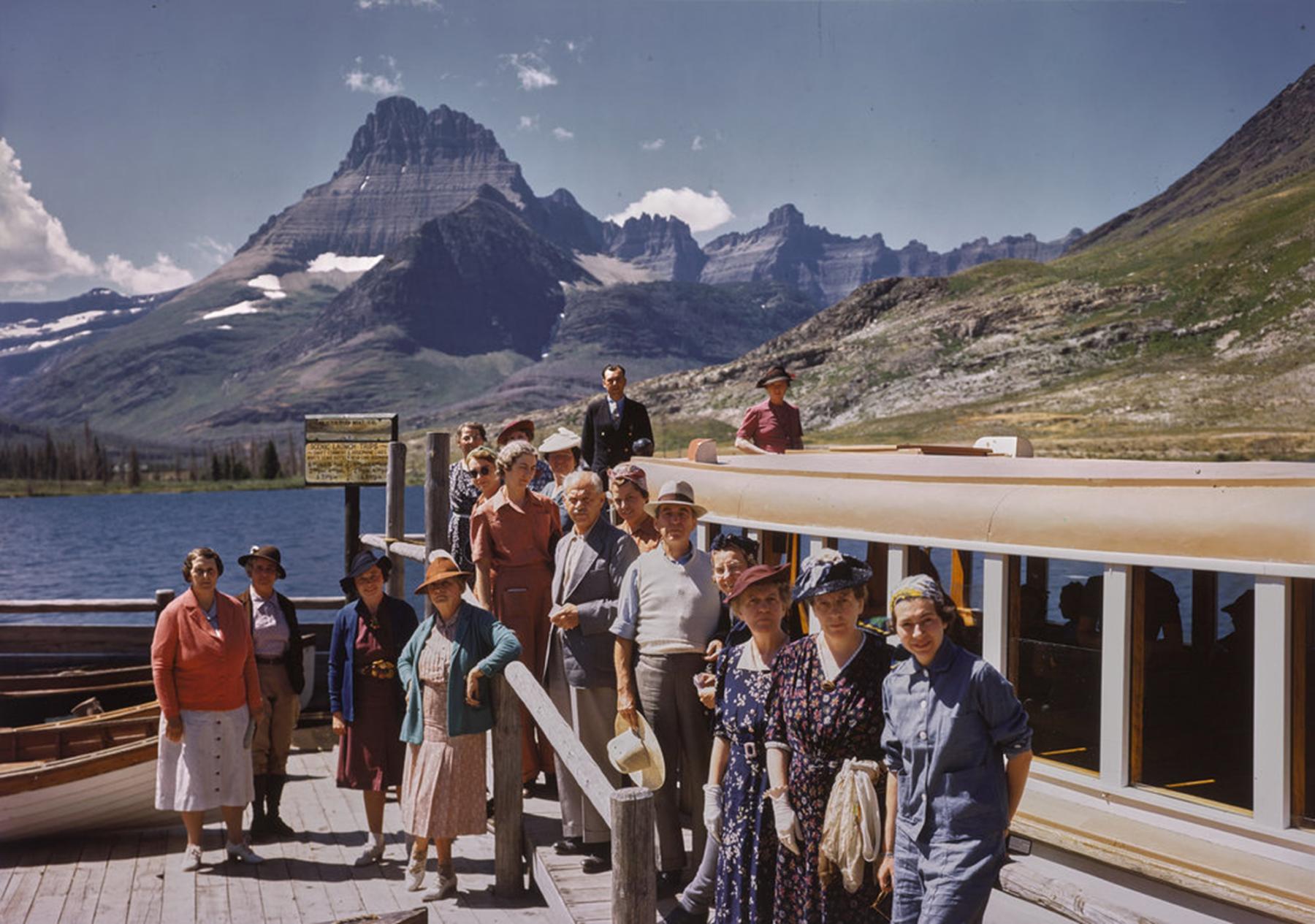
Kabel, John. Swiftcurrent Lake, Launch, Glacier National Park. Photograph, ca. 1940-1945. Montana History Portal. Accessed May 7, 2025. https://www.mtmemory.org/nodes/view/5491?lsk=f7aaebf10f19231d034d023f42fac261
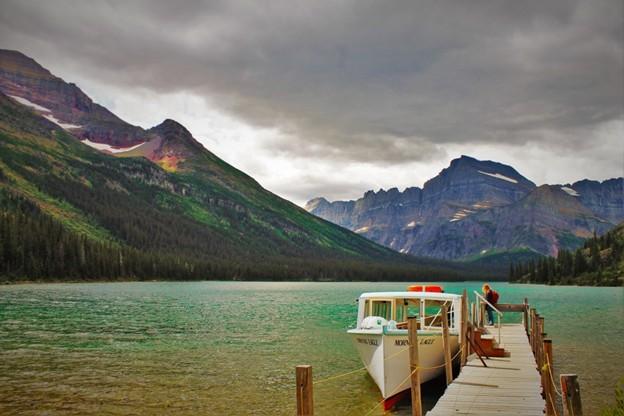
Taylor, Rob. “Complete Guide to Many Glacier: Once In A Lifetime Sights and Old Montana.” 2TravelDads. February 3, 2020. https://2traveldads.com/glacier-national-park-many-glacier/.