The Founding of Luccock Park Camp
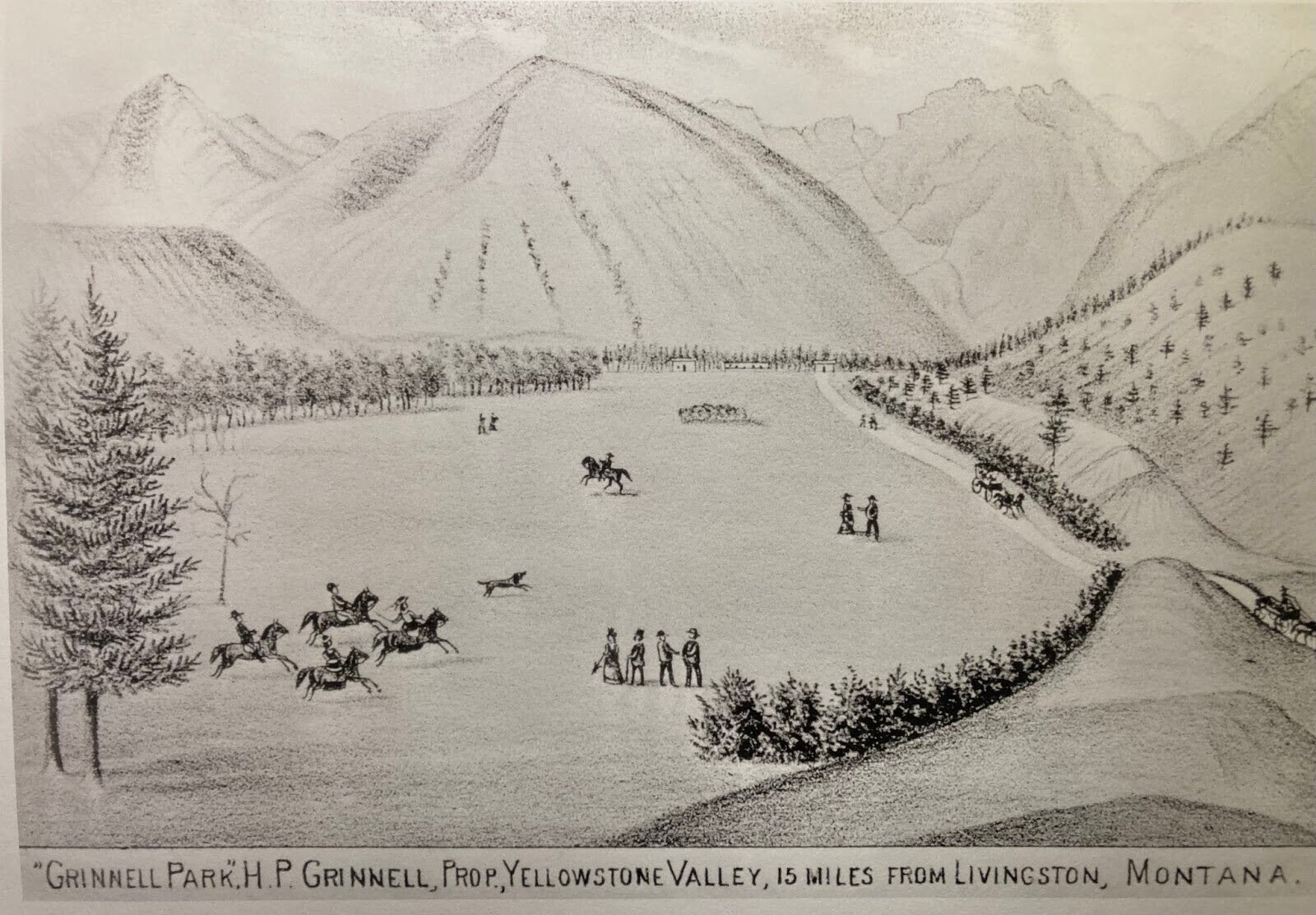
After World War 1, a group of Methodists in Livingston, Montana planned to build a summer camp near Yellowstone Park. They travelled 15 miles outside Livingston in buckboard wagons through 2-3 feet of snow to a potential location for this camp, Grinnell Park. Arriving at Grinnell Park, the Methodists knew that they had found the perfect place for a summer camp.
In the summer of 1919, the Methodist Epworth League in Montana wanted to join the growing trend of church camps that started after World War I. At a conference in Billings, they decided to create a camp about 30 miles north of Helena at Wolf Creek. The Wolf Creek camp was a hit, so the Epworth League decided to build more camps in Montana. Four years later on, a district missionary conference convened in Livingston to build a camp near Yellowstone Park. They decided to investigate Grinnell Park, a glacially-formed valley about 15 miles south of Livingston near Pine Creek as a potential site for this camp.
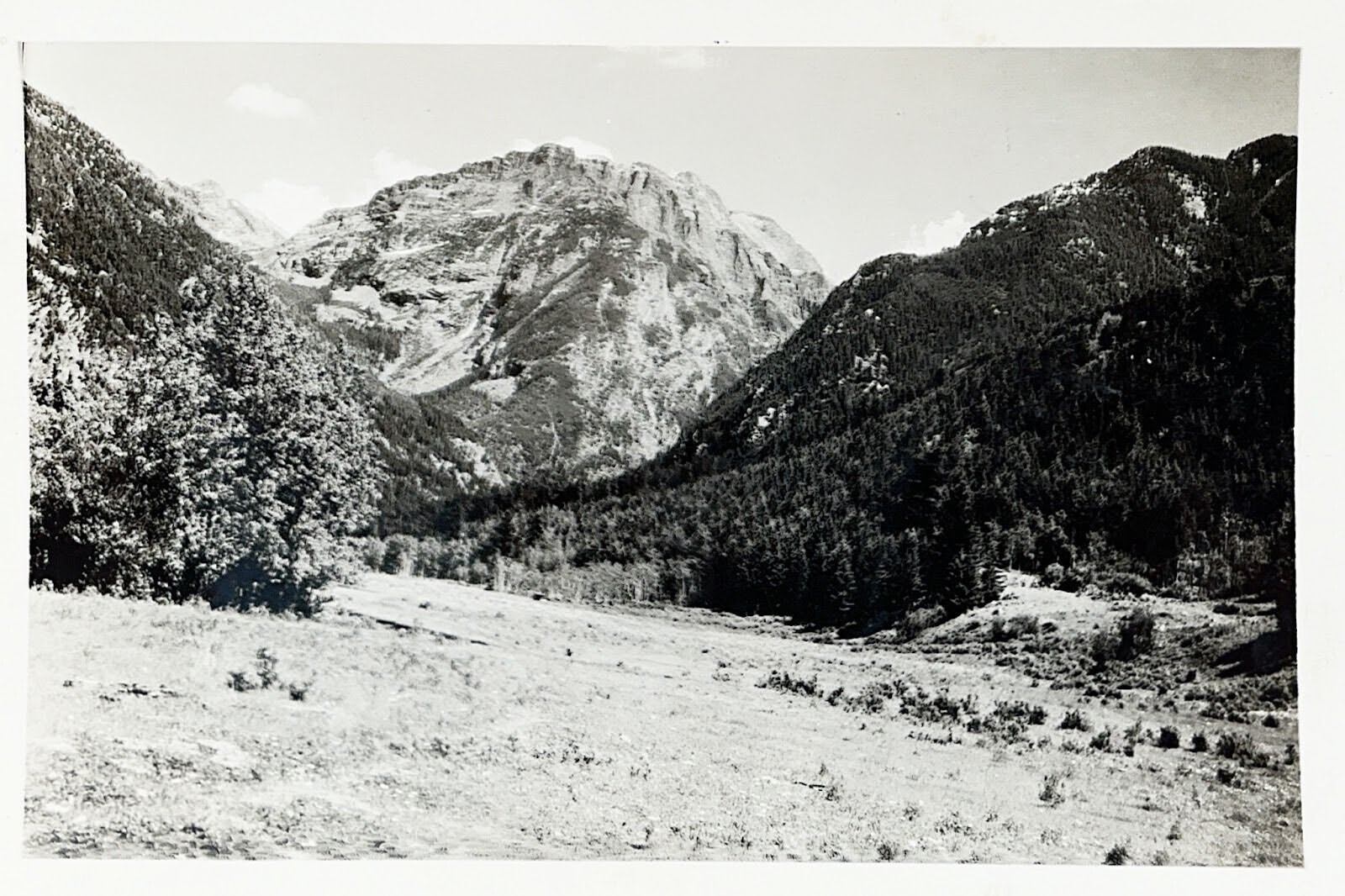
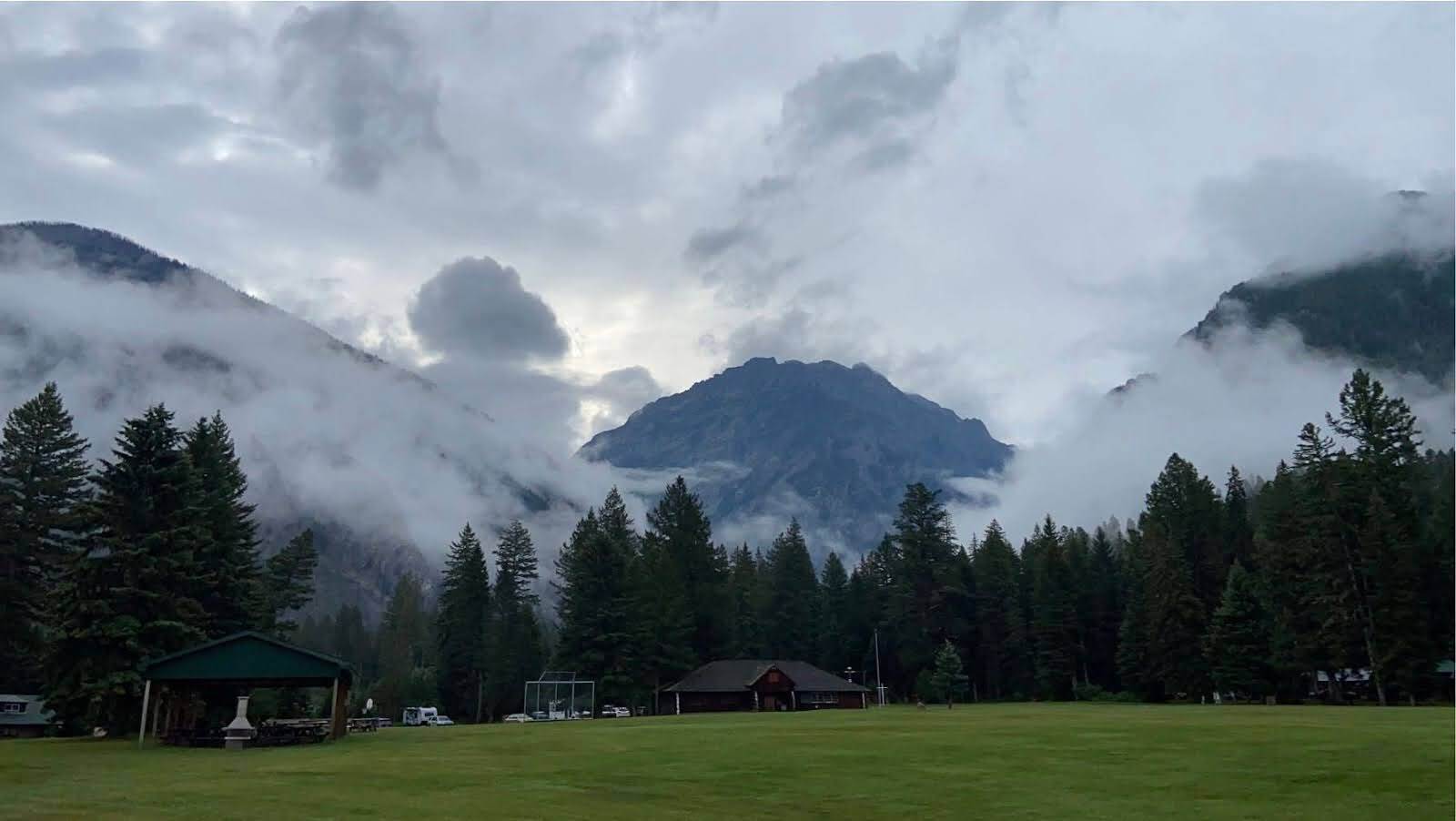
On March 11, 1923, a group consisting of Epworth League members, conference members, and Albert Alan, the owner of the land, traveled to Grinnell Park in 3-seated buckboard wagons, fighting against 2-3 feet of snow. The Methodists fell in love with the area and swiftly authorized the Livingston conference to “proceed with all necessary arrangements” to use Grinnell Park as the location for a church camp. Alan sold the land, which was about 25 acres “more or less” for $2,500. Pastor Otto G. Ponath of the local Pine Creek Church helped to build a road up to the camp that was determined to be about a $6,000 job by the highway department. With this road, a Model-T Ford was “driven, pushed, and pulled up to the camp” and both guests and staff were able to travel to the camp. Using old Ringling Circus tents from Billings, members of the state convention were able to make important decisions while being protected from an oncoming storm. One of these decisions was naming the camp “Luccock Park” after the first resident Bishop of Helena, Naphtali Luccock. They also decided to name the mountains that surround the camp from left to right, Faith, Hope, and Charity.
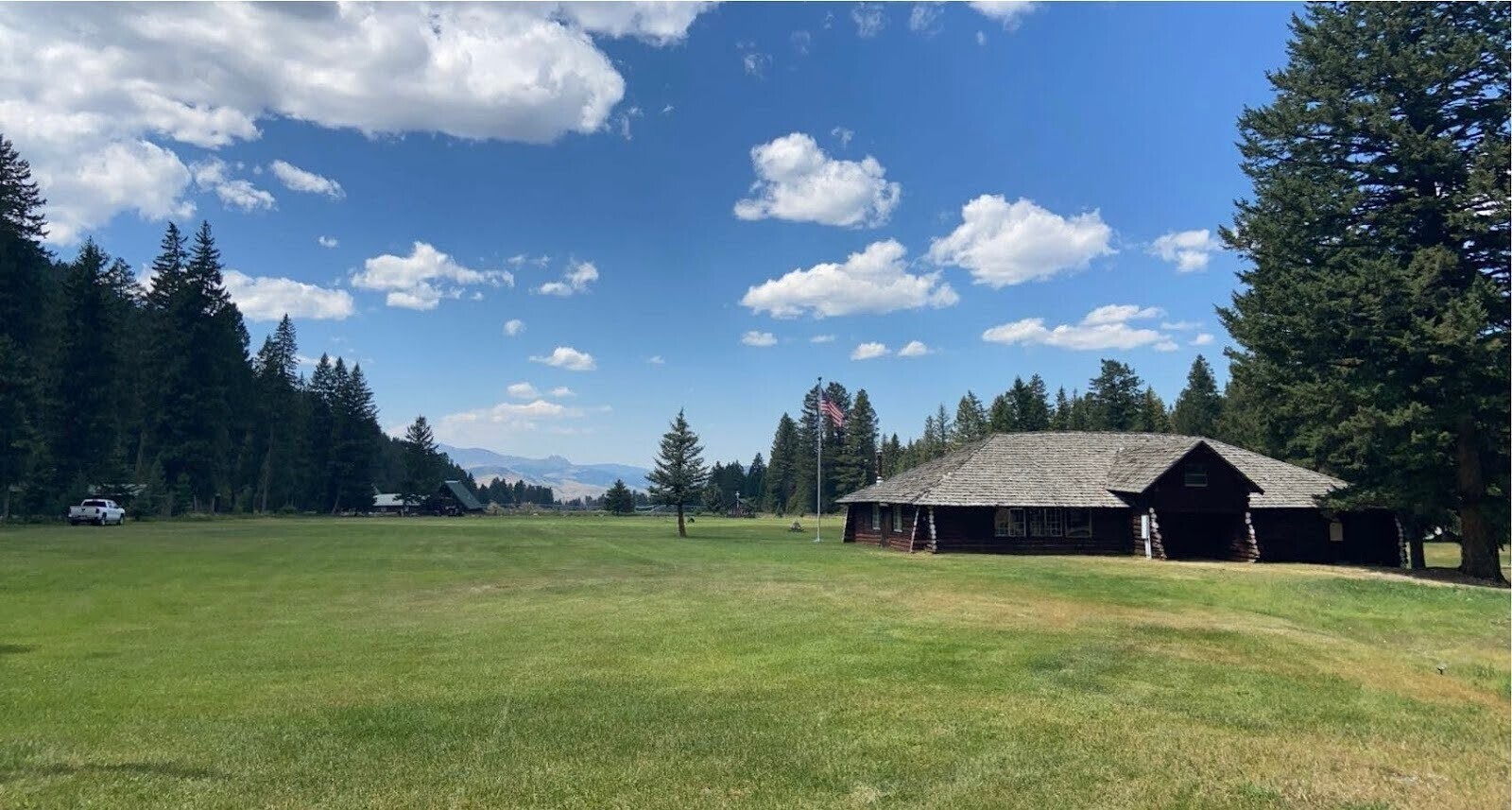
One hundred years later, Luccock Park still stands as a place for people to gather. It has survived extreme weather, a wildfire that almost burned down the camp, and a global pandemic. There are now permanent buildings on site: the main lodge, an old ranger’s station, a chapel, multiple bathhouses, and dozens of cabins. The camp is open from mid-May to mid-September, hosting a number of Methodist camps, weddings, group getaways, and so much more. In the summer of 2023, a celebration was held to celebrate the last 100 years of Luccock Park. People from all over the country came together at Luccock Park to celebrate and talk about the past and their hopes for the future of the camp.
Images