Golden: A Ghost Town
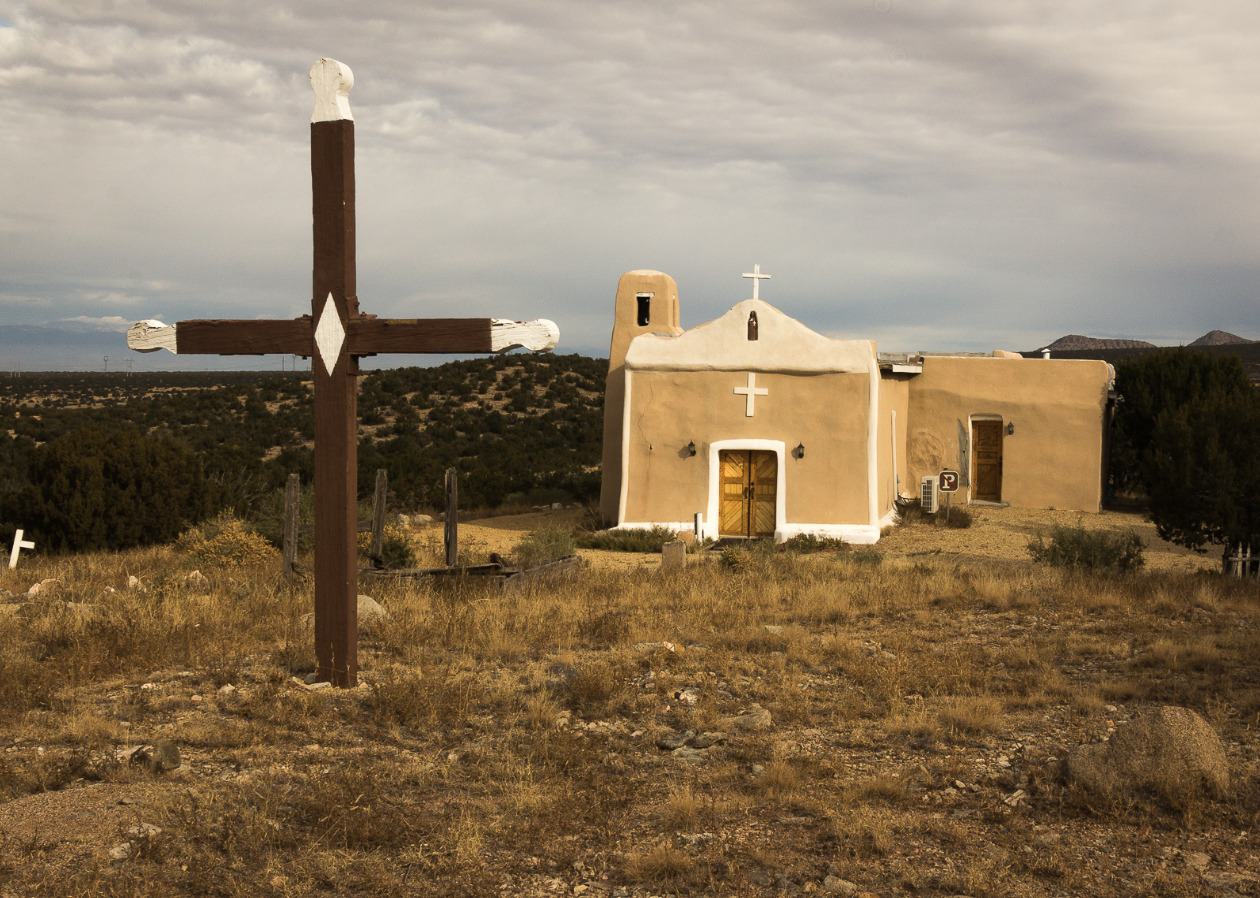
Photograph courtesy of and used with permission by the Library of Congress. https://commons.wikimedia.org/wiki/File:San_Francisco_de_Assis,_Golden_-_52006565144.jpg

In an overgrown cemetery, amidst tombstones and memorabilia, a child’s white metal bed frame sits above a grave. Golden, New Mexico–population zero–is a ghost town in more ways than one.
Today the tiny Santa Fe community of Golden is known for the gold rush that it was named for, but before the gold Navajo peoples found prosperity in turquoise. The road running from Albuquerque to Santa Fe, which is now part of New Mexico 14, is still aptly referred to as the “Turquoise Trail.” In the 14th century Spanish Conquistadors made their way to the region of Mexico that would later become New Mexico and Arizona. For several hundred years they traded goods, mined, and colonized the land.
It is said that the gold rush didn’t really begin in New Mexico until it was declared an American state, but nearly one-hundred years earlier in 1825 the community of Golden had its day in the sun. When Mexico gained independence from Spain in 1821, the Santa Fe trail became open to Americans for trading purposes–creating an influx of American settlers to the area, who had been few and far between during the Spanish years. Trading opportunities, cattle herding, gold, and the exciting prospect of “new” land drew Americans in from surrounding U.S. territories and states. Gold was discovered in the land just north of the San Pedro mountains and a mining district blossomed. Within the next few decades a general store, a post office, a public school, and quite a few saloons, were built as well as a Catholic church–which is now the most photographed church along the Turquoise Trail.
San Francisco de Asis Catholic Church, named after Saint Francis of Assisi, was built around 1830. The adobe brick plaster makeup of the church has held up well over the years, and the white painted crosses still look as bright as ever. The churchyard is home to the bodies of those who died in the fleeting time of Golden’s own “life.” Although the church provides a glimpse into the past, it isn’t completely dormant. Beloved by those who explore the grounds on their way through town, and welcoming to Sunday tourists who attend church services.
The era of growth and excitement in the community was short-lived and ended almost as suddenly as it had begun. When the 1825 gold rush era ended, there was little reason to stay. The few who remained resorted primarily to agriculture to make their living. There was a dwindling and largely fruitless attempt by some remaining residents to dig up the last of the gold, but there was only so much to be found before even the most stubborn of them abandoned the pursuit. A hundred years after the initial gold rush there were so few people remaining that Golden lost its township status. In 2021 the census reported a population of zero residents of Golden, but the Turquoise Trail continues as a scenic route for road trips and the church with its overgrown cemetery stands as a monument–a living memory of all that once was.
Images
Photograph courtesy of and used with permission by the Library of Congress. https://commons.wikimedia.org/wiki/File:San_Francisco_de_Assis,_Golden_-_52006565144.jpg
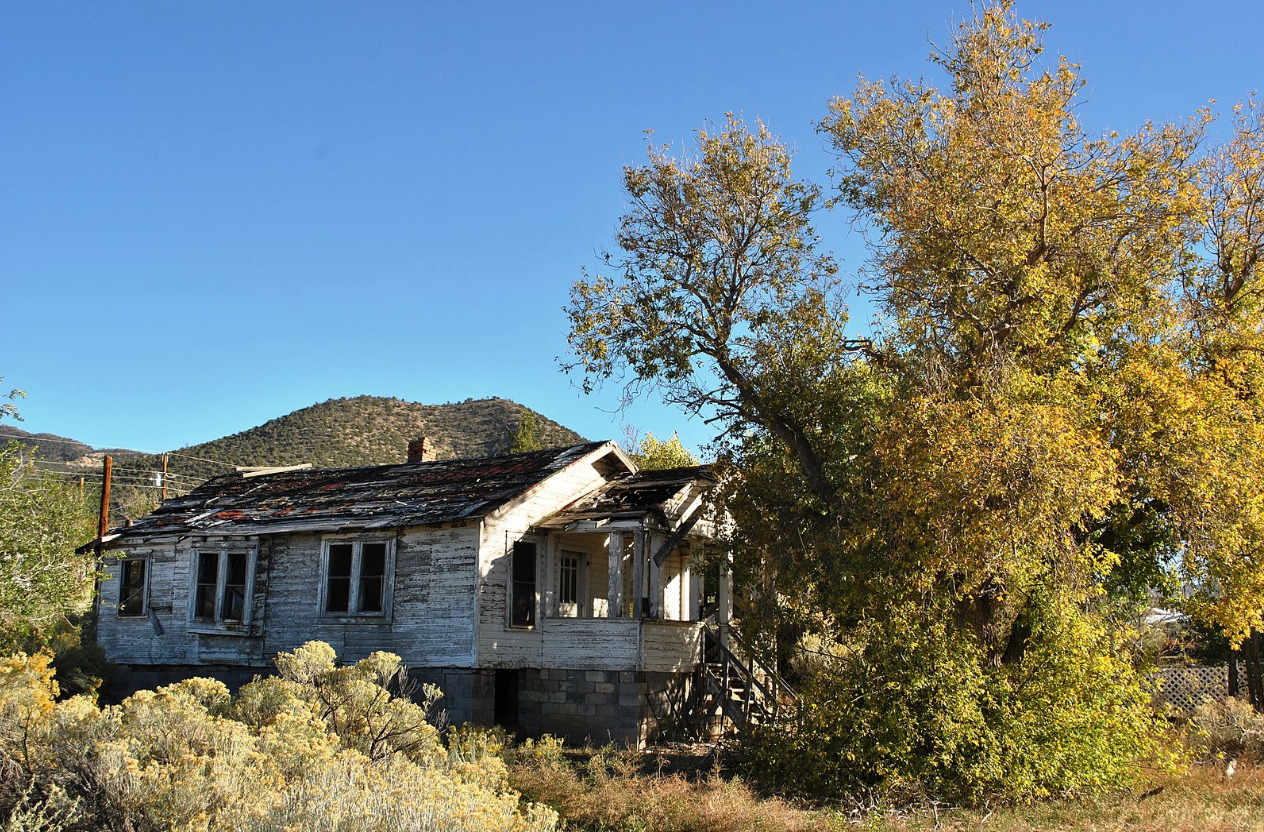
Photograph courtesy of and used with permission by the Library of Congress. https://commons.wikimedia.org/wiki/File:Golden,_New_Mexico_166.jpg

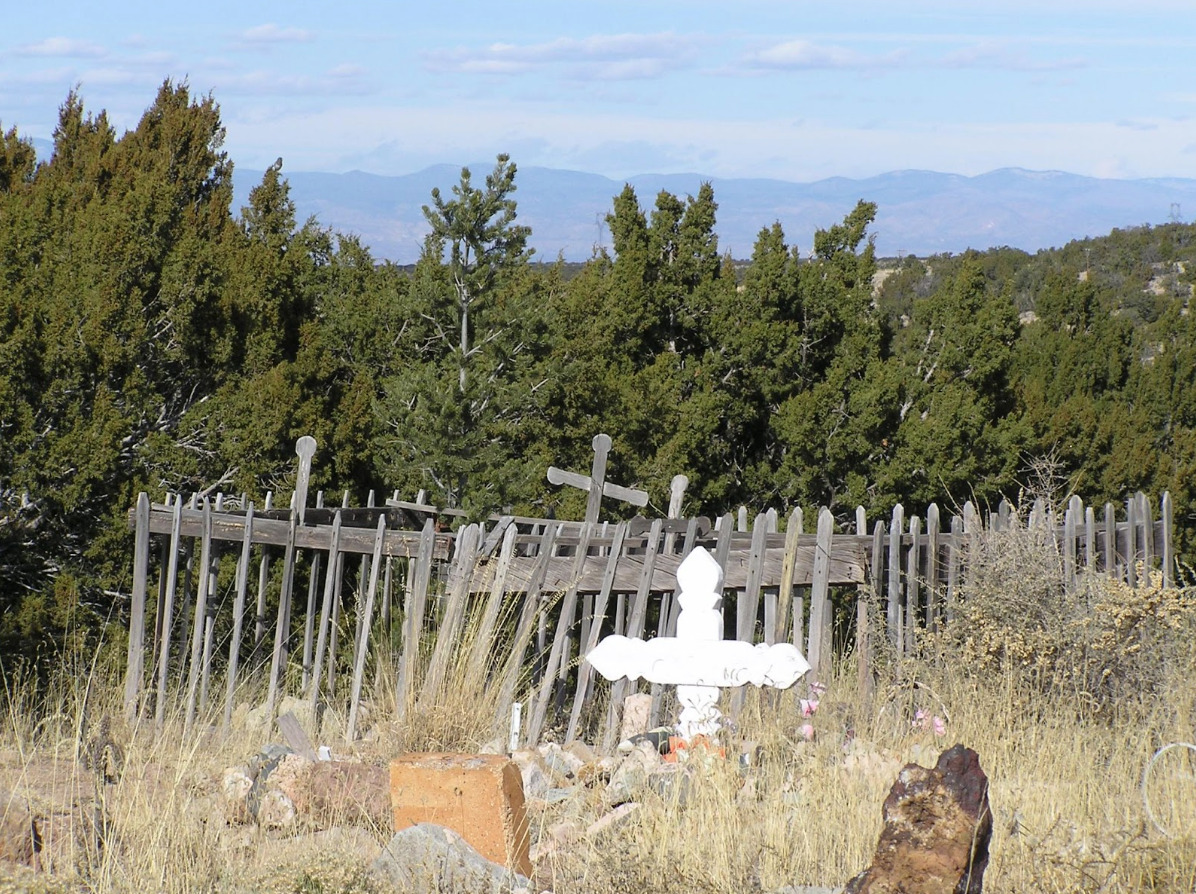
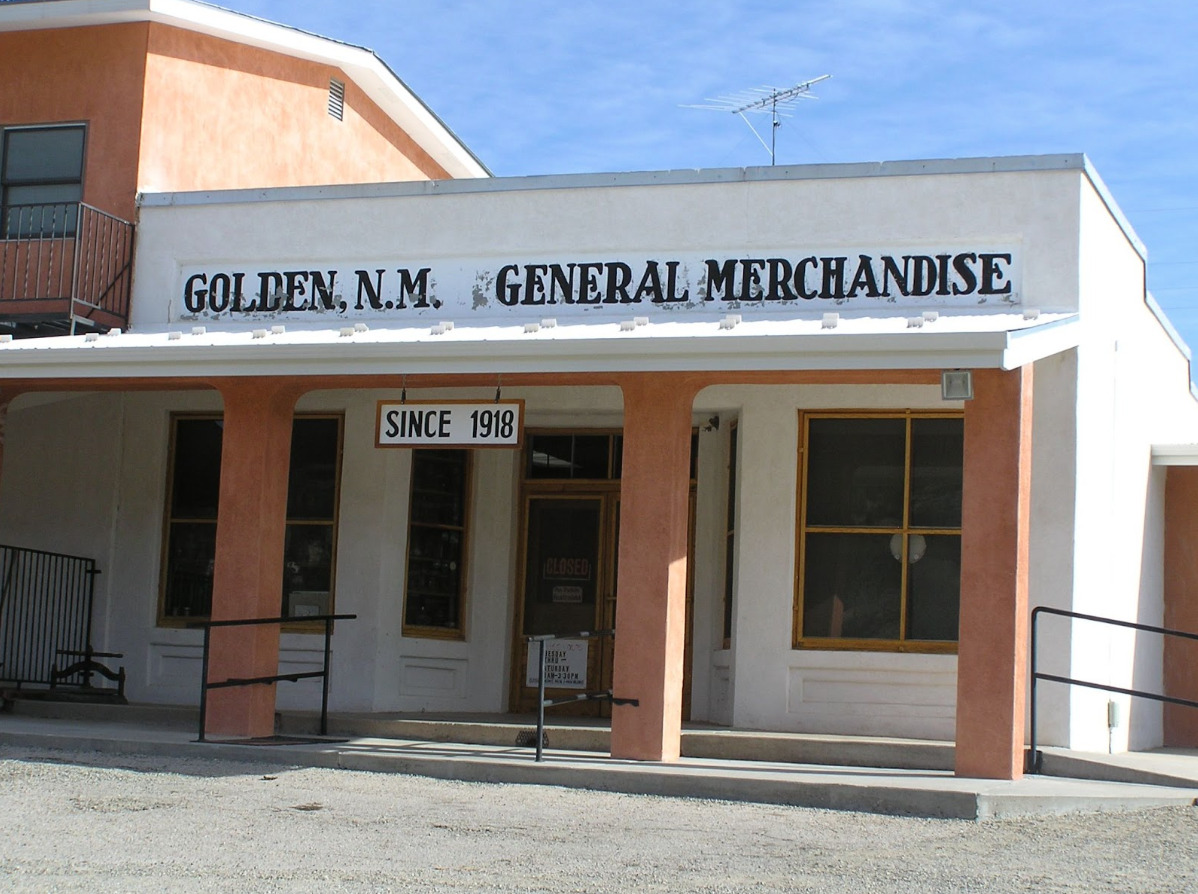
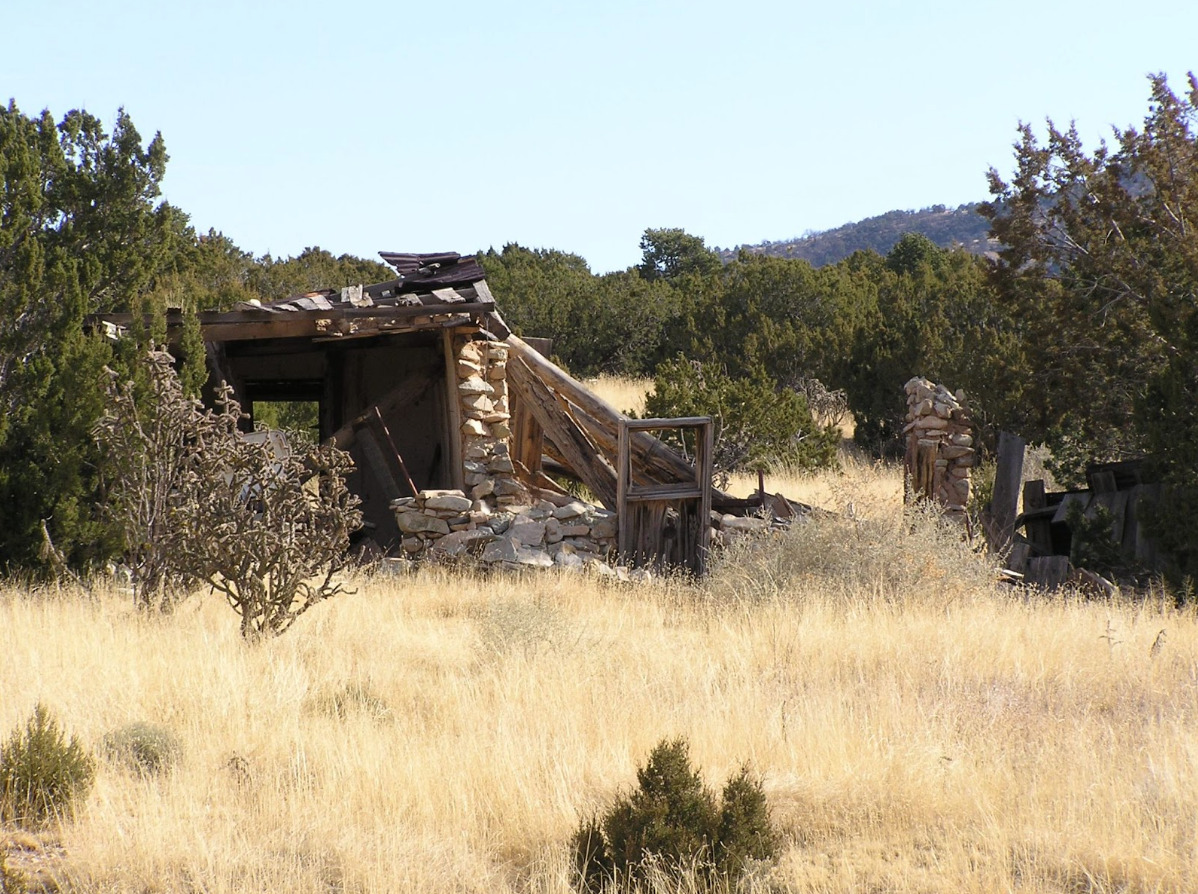
Photograph courtesy of and used with permission by Mike Sinnwell from his website RockyMountainProfiles.com.