Fort Bridger and the Donner Party
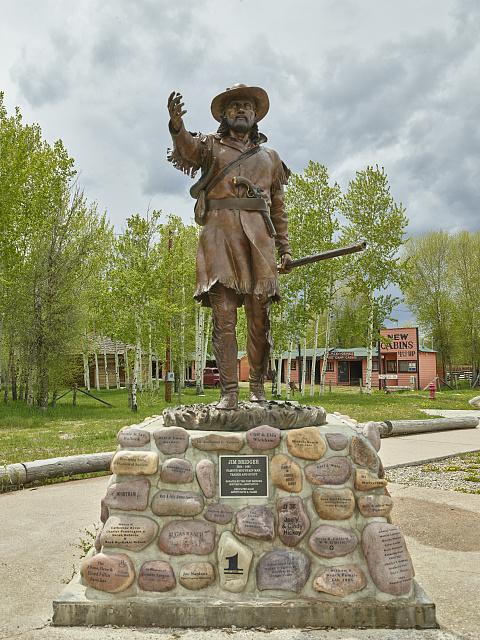
Highsmith, Carol M. Photograph courtesy of and used with permission by the Library of Congress, 24 May 2016.
On July 20th, 1846, a group of families on an emigrant train in present-day Wyoming separated from the main party to take a supposed shortcut that would expedite their journey to the Mexican territory of Alta California. This group known as the Donner Party started their journey on the cutoff with the goal of reaching Fort Bridger, which would be the point of no return on their ill-fated journey.
Mountain men and adventurers Jim Bridger and Louis Vasquez established this fort in modern-day southwest Wyoming in 1842. Originally built as a trading post to service and profit off the rush of the trappers heading West, it found purpose as a resupply point for emigrant parties heading to California. While the word “fort” brings to mind high stone walls, a California-bound party led by Edwin Bryant in early 1846 described Fort Bridger as “two or three miserable log cabins, rudely constructed, and bearing but a faint resemblance to habitable houses.” The Donner Party reached Fort Bridger on July 27th, 1846. Earlier on the trail, the party had received letters from Lansford Hastings, the author of the cutoff. He advertised it as an alternative and shorter route, and said that if they met him at Fort Bridger, he would guide them through it. Despite James Clyman’s warnings of the cutoff to James Reed, a father of 6 and leader of the party, the allure of time and distance saved proved seductive. According to survivor reports, James Reed believed that the route would save them “350 or 400 miles” and relayed that Bridger had described it as ”a fine, level road with plenty of water and grass.” It is theorized that Bridger, a seasoned mountain man, knew of the danger of the cutoff but goaded them on regardless to increase emigrant traffic through his fort. After repairs, restocking, and rest, the Donner party left Fort Bridger on July 31st. Growing from around 60 members to 74 because of the addition of the McCutchen family and several teamsters. They proceeded towards the Wasatch Mountains in modern-day Utah. Emigrant parties continued to utilize Fort Bridger for the following decade, but the Donner party remains one of the most influential to do so. The fort remained operational until Bridger's run-ins with the law caught up to him, including an arrest warrant issued from Salt Lake City, Utah for “furnishing the Indians with powder and lead to kill Mormons.” The fort was sold to the Church of Jesus Christ of Latter-Day Saints (or Mormons) in 1855, with the church having documents of its sale from Vasquez representing both him and Bridger. The Saints held onto this fort until November of 1857. President James Buchanan sent an army commanded by General Albert S. Johnston to suppress a supposed Mormon rebellion. In preparation the saints burned several buildings before retreating to Echo Pass in Utah. Following its abandonment by the Saints, the fort was seized by the United States military, where it saw its commanders switch hands for decades. It found use as a staging area for military exercises against Native Americans and general military travel during the mid 19th century. As the years passed, the land under Fort Bridger’s jurisdiction became smaller as the threat of attacks from Native Americans subsided. It was abandoned on October 1st, 1890. This trading post, fort, and military depot served as a landmark for Western history as emigrants, natives, and mountain men all crossed its path. For the Donners, it served as their final resupply point, and for many the last semblance of civilization they would ever see. For the next 760 miles, the Donners would travel through rough mountain passes and barren salt deserts with minimal rest and resupply. The ill-intentioned words of Hastings and Bridger would prove to be a death sentence.
Images
Highsmith, Carol M. Photograph courtesy of and used with permission by the Library of Congress, 24 May 2016.
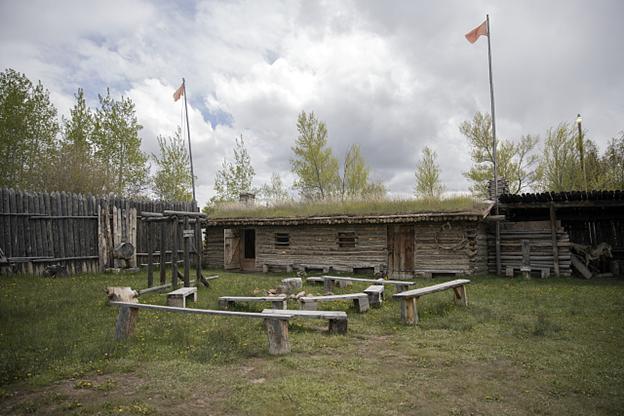
Highsmith, Carol M. Photograph courtesy of and used with permission by the Library of Congress, 24 May 2016.
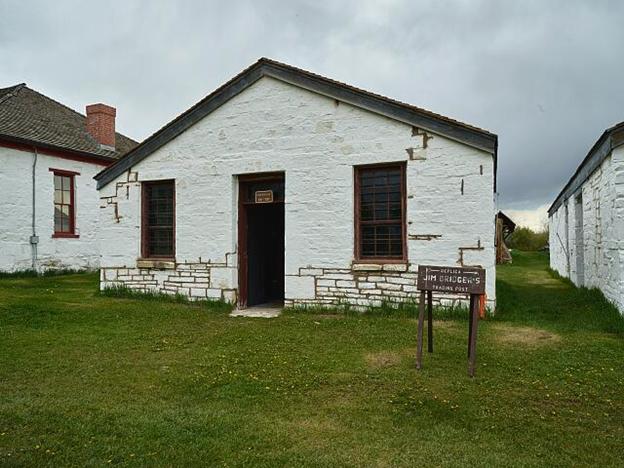
Highsmith, Carol M. Photograph courtesy of and used with permission by the Library of Congress 24 May 2016.
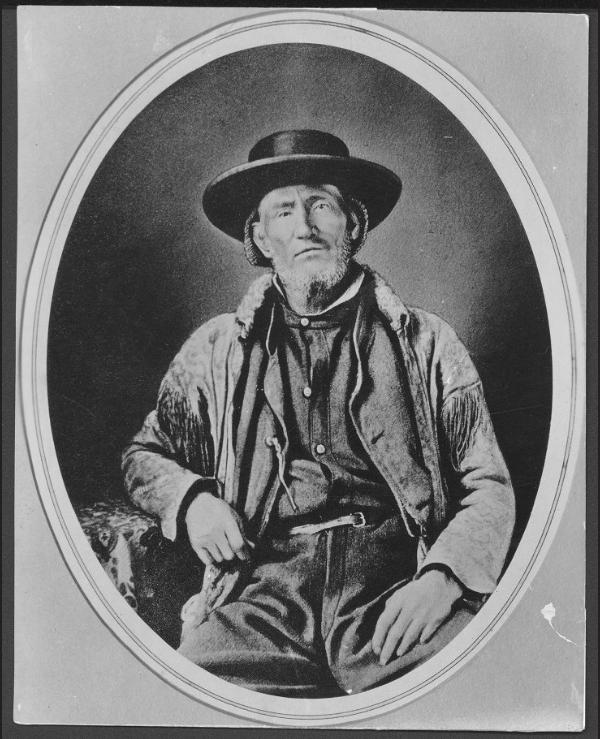
University of Wyoming, American Heritage Center, Photofile: Bridger, James, Negative Number 093
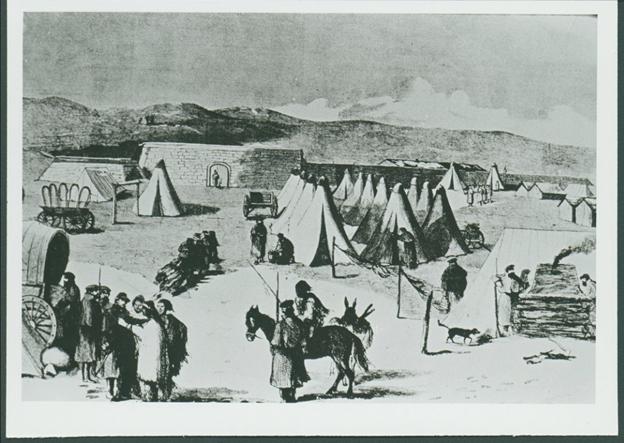
University of Wyoming, American Heritage Center, Photofile: Fort-Fort Bridger-Sutler Store, Negative Number 16007, 1854.
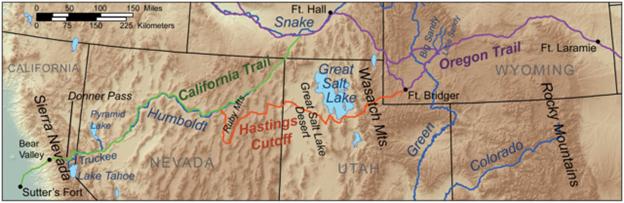
Photo retrieved from Wikimedia Commons, the free media repository, 19 March 2010.
https://commons.wikimedia.org/wiki/File:Donner_route_map.png
