Carol Ryrie Brink and the Real Caddie Woodlawn

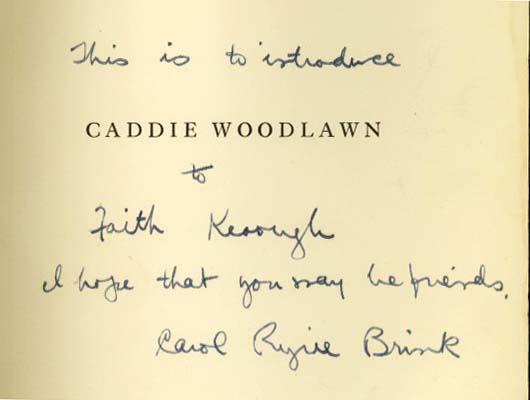
As an only child in rural Idaho Carol found amusement in her grandmother’s stories of an adventurous childhood in a homestead bustling with children and mischief. Later in life Carol would immortalize her grandmother through the titular character in the beloved children’s novel Caddie Woodlawn.
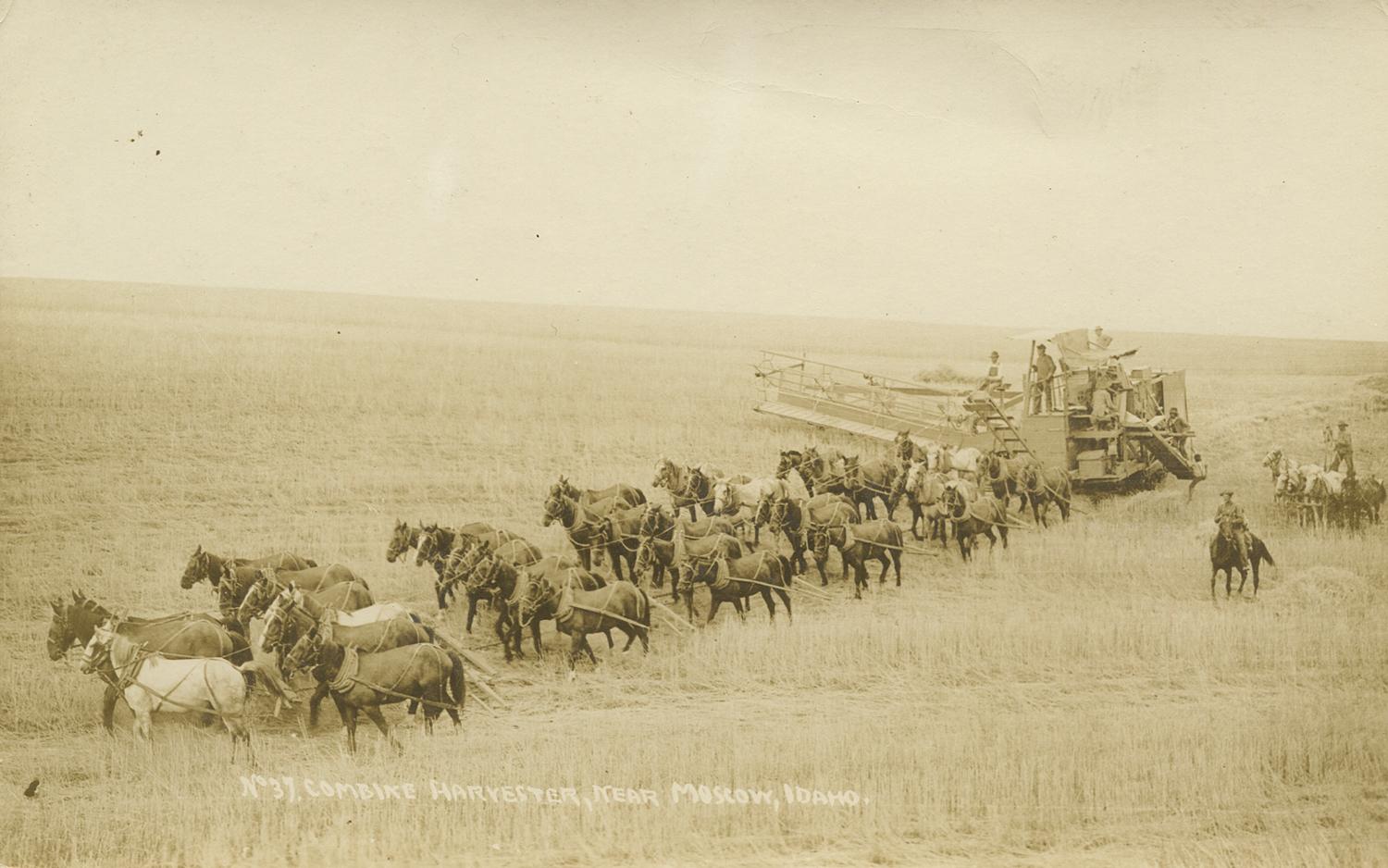
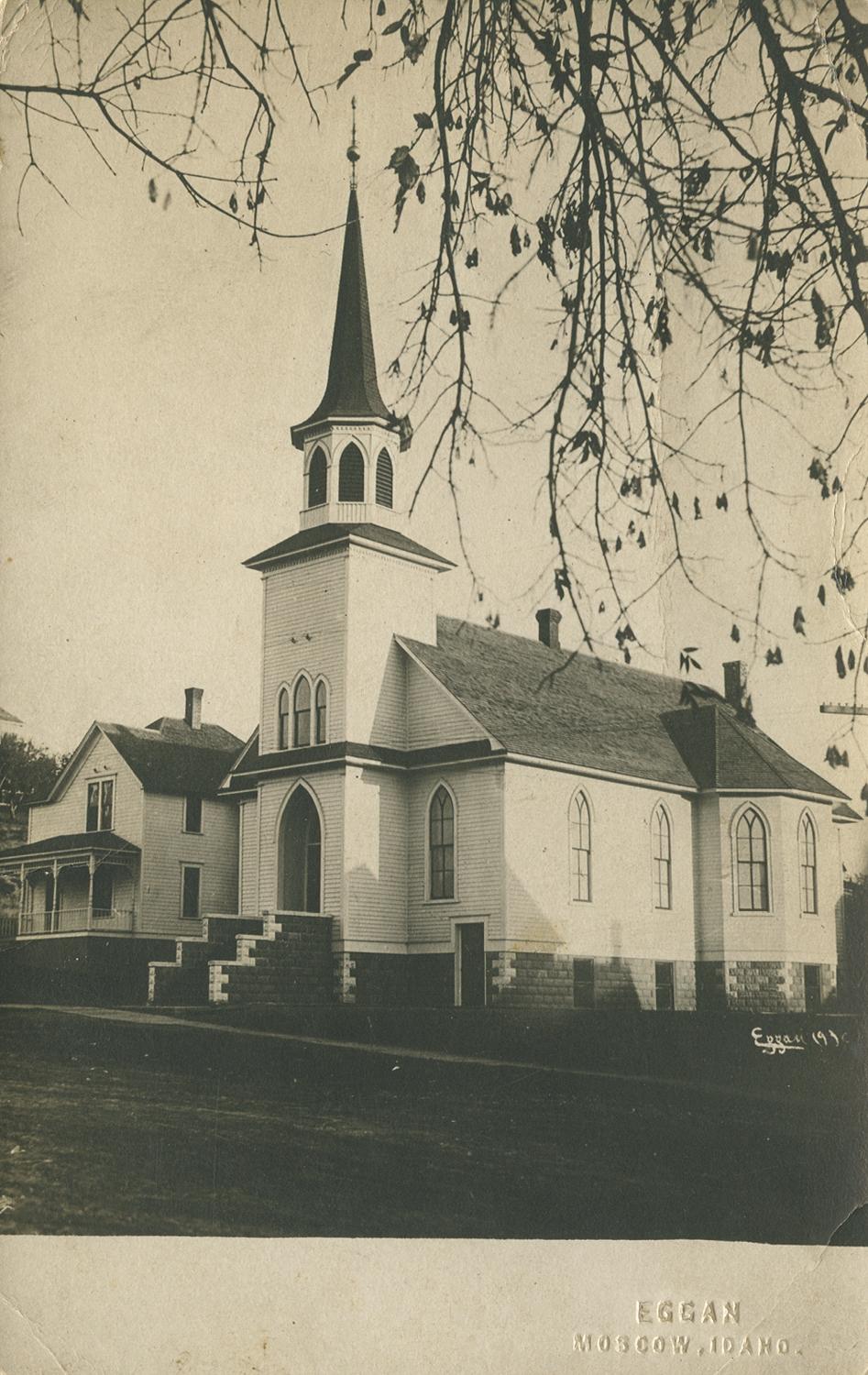
In 1895 Carol Ryrie Brink was born “Caroline Sybil Ryrie” in Moscow, Idaho. Her father died when she only five-years-old and her mother, stricken with grief and depression, died by suicide four years later. Orphaned, Brink went to live with her widowed grandmother “Gram” and an unmarried aunt who raised her for the remainder of her childhood.
In her youth Brink’s favorite activity was listening to Gram's tales of mischief and adventure growing up with six siblings on the Wisconsin frontier. Such a large family was a novelty to Brink, who had no siblings and had only the company of her guardians. She described Gram as “a naturally gifted storyteller” who did not feel “at home with pen and paper.” Of Caddie Woodlawn, Brink remarked, “The adventures of Caddie would probably have remained unwritten if I had not been a lonely little girl who adored stories.”
While Brink eventually outgrew her loneliness, she never abandoned her passion for storytelling. In high school and throughout college she dedicated her talent to the school papers. She graduated from University of California, Berkeley in 1917 and was married the following summer Raymond W. Brink, an old friend she had met in Moscow nearly a decade prior. The Brinks had two children, David Ryrie and Nora Caroline, were raised on their mother’s stories and often spent their summers in the Wisconsin woods or the Scottish countryside.
Brink wrote several manuscripts before she began the semi-biographical tale of Caddie Woodlawn. She dabbled in playwriting for a time, though she was primarily interested in writing novels, often for children. The collection of stories and characters who would eventually come to life in Caddie Woodlawn had been in the back of her mind since her childhood declaration, “When I grow up, I am going to write books.” The project took several years, as Brink wanted to make sure she got all of the historical and cultural details right and truly did it justice.
The woman who inspired Caddie was eighty-two-years-old when the book was published in 1935. She was thrilled to read the story and astounded by her granddaughter’s memory, stating “there are things I told her when she was eight years old which are perfectly remembered!”
Caddie Woodlawn received a Newbery Medal in 1936, beloved by both critics and children alike. Young girls living through the Great Depression found escape in the exciting tale of Caddie, just as Brink had during her gloomy childhood.Images
.jpg)
.jpg)