The Boone and Crockett Club's Connection with Theodore Roosevelt
Story 8 of 8 of the President Theodore Roosevelt in the West Tour
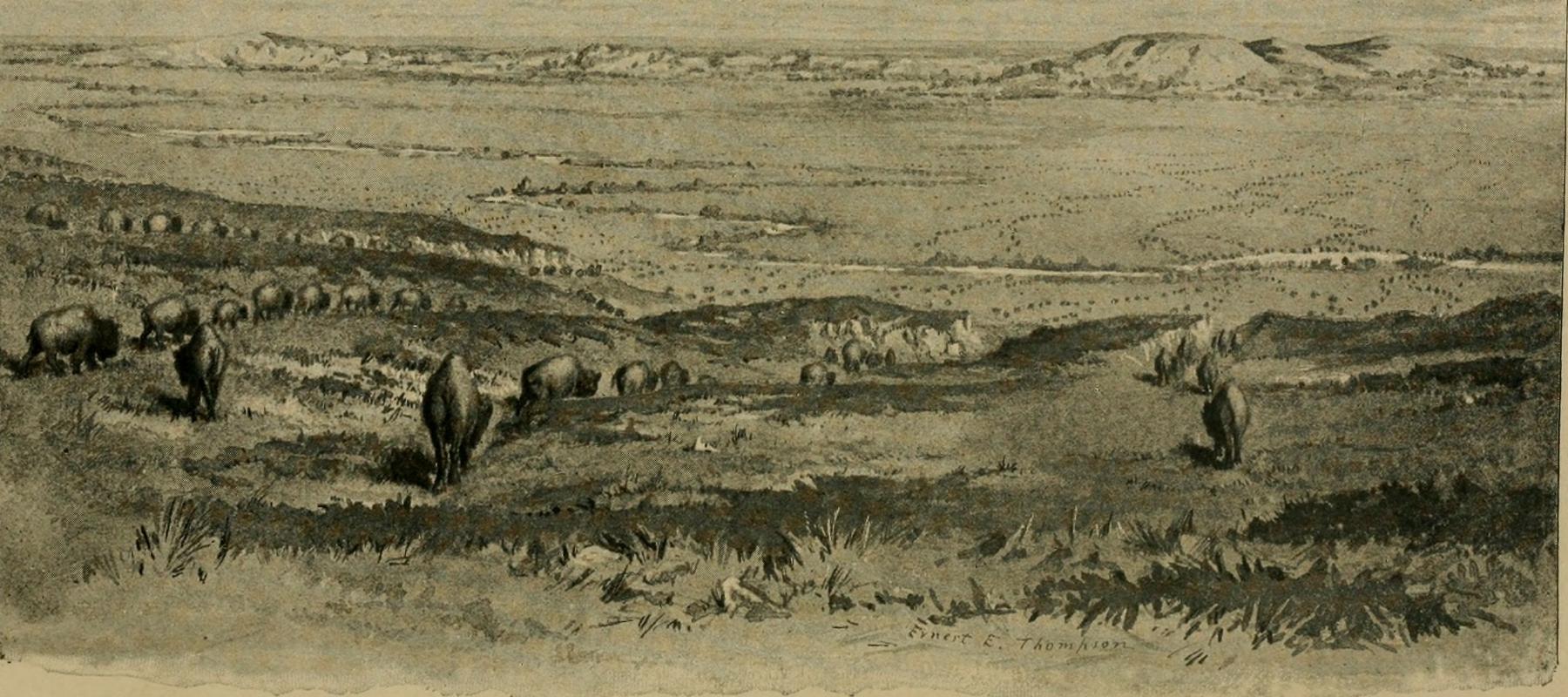
_(18090635386).jpg)
By the late 1800s, Western sportsmen and settlers were hunting wildlife at such a rapid pace that many species risked extinction. Theodore Roosevelt recognized this and founded a club dedicated to conserving the land, resources, and wildlife for future generations.
At the end of the 19th century, big game hunting became so popular that many wildlife populations faced extinction. Western railways increased access to previously remote regions, accelerating settlement. This Westward expansion also created a surge of irresponsible hunting for food, trophies, and improper land use. In 1883, on a trip to Little Cannonball Creek in Montana, Roosevelt enthusiastically hunted his first buffalo. Amid the thrill of this first-time accomplishment, he also reflected on the animal’s scarcity in his journal, “I watched the great beasts as they grazed...mixed with the eager excitement of the hunter was a certain half-melancholy feeling as I gazed on these bison, themselves part of the last remnant of a doomed and nearly vanished race.”
Like Roosevelt, many other sportsmen noticed how quickly wildlife in the West was disappearing. Determined to preserve his hobby and the land he loved, Roosevelt gathered fellow hunters to form the Boone and Crockett Club. Named after Daniel Boone and Davy Crockett, two famous frontiersmen and heroes of American expansion, the club advocated for the conservation and management of wildlife and habitat in the nation’s newest territories.
Founded on December 7, 1887, with the help of visionaries like George Bird Grinnell, Madison Grant, Gifford Pinchot, and 20 others, the club helped enact many legislative acts to protect and manage public lands. With their great influence, they initiated management regulations in the nation's first National Parks like Yellowstone, Glacier, and the Grand Canyon. They lobbied for federal laws that passed, including the 1891 General Revision Act (also known as the Forest Reserve Act), which enabled the President to withdraw forested lands from the public domain and offer them protections not guaranteed under previous legislation like the 1873 Timber Culture Act. This led to millions of acres being designated as “forest reserves” in the following two decades.
Roosevelt continued his efforts and spoke out about conservation when he was president with his annual address to Congress in 1907, saying, "Optimism is a good characteristic, but if carried to an excess, it becomes foolishness. We are prone to speak of the resources of this country as inexhaustible; this is not so." Educating the public, one of the club's biggest successes was the “Fair Chase” hunting ethic. This philosophy influenced game laws in the United States and created a system of data collection to monitor North American habitat health and big game populations today. Dedicated hunters and naturalists in the Boone and Crockett Club continually play a key role in balancing the well-being of the wild and the enjoyment of future generations. Roosevelt emphasized the importance in his book, My Life as a Naturalist, in 1918, “While my interest in natural history has added very little to my sum of achievement, it has added immeasurably to my sum of enjoyment of life.” He speaks for the wildlife as it cannot speak for itself.
Images
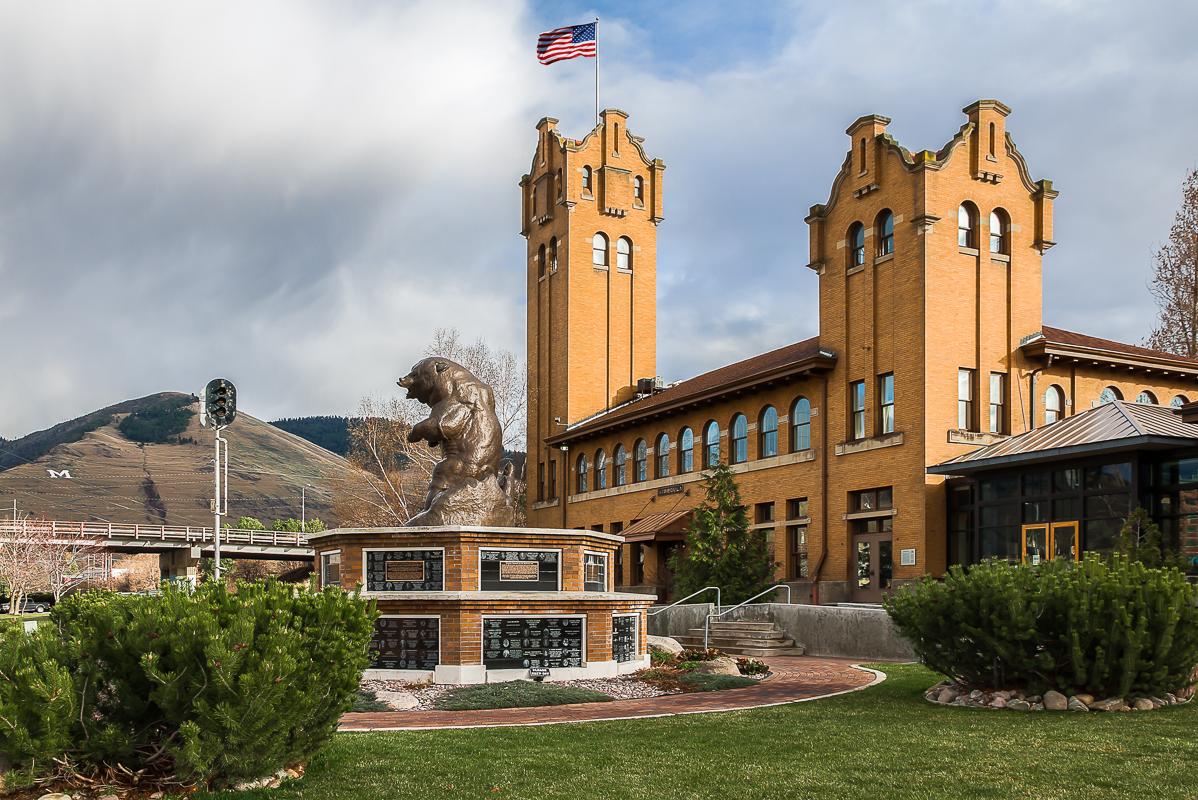
Mesenko, Mark. Boone and Crockett Club Headquarters, Missoula, Montana. Photograph, April 13, 2013. Wikimedia Commons. https://commons.wikimedia.org/wiki/File:Boone_and_Crockett_Club_Headquarters.jpg. Licensed under CC BY-SA 3.0.

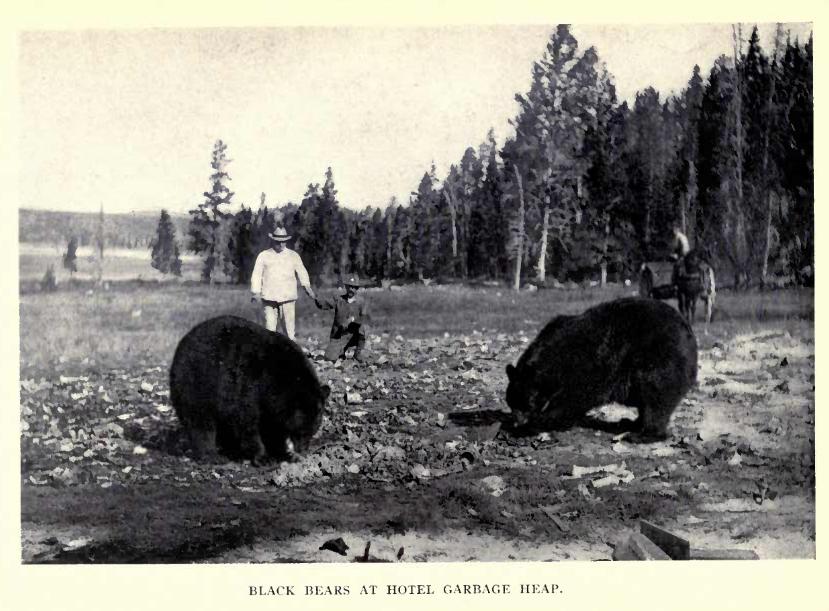
Grinnell, George Bird, Theodore Roosevelt, and Boone and Crockett Club. American Big Game in Its Haunts: The Book of the Boone and Crockett Club. New York: Forest and Stream Publishing Company, 1904. Image 76, captioned “Black Bears at Hotel Garbage Heap.” https://lccn.loc.gov/04013624.