Theodore Roosevelt's Ride Through the Cowboy State
Story 5 of 8 of the President Theodore Roosevelt in the West Tour
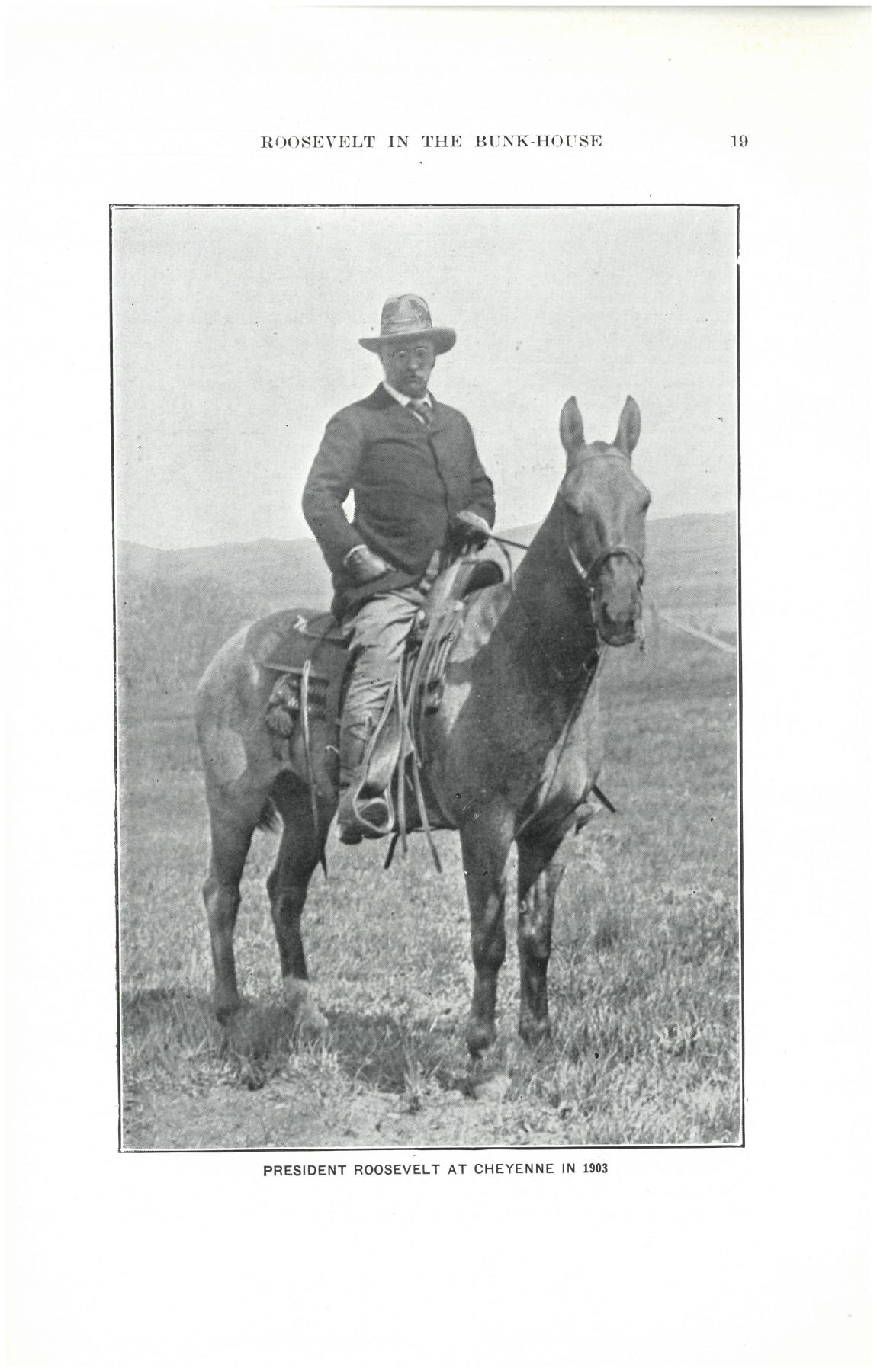
President Theodore Roosevelt's iconic horseback ride from Laramie to Cheyenne to greet the veterans and citizens of Wyoming.
President Theodore Roosevelt had a penchant for the dramatic in his public persona. His 1903 visit to Wyoming and May 31 speech commemorating Decoration Day (Memorial Day) was no exception.
Upon arrival in Evanston, Wyoming, via train from the west, President Theodore Roosevelt was greeted by a crowd of 7,000 people gathered from Wyoming and surrounding states to see the Commander in Chief. After a short visit, he continued east to Laramie, Wyoming. From there, he rode the remaining 65 miles to Cheyenne, Wyoming, on horseback. Along the way, he changed horses four times with prominent citizens like Senator Francis E. Warren and famous lawman and Black Hills Forest Reserve Supervisor Seth Bullock. Senator Warren, in a telegram, said it would be a “long, hard ride,” and indeed it was. Familiar with risk and discomfort, and always eager to make a dramatic scene, Roosevelt’s party emerged from a mountain valley near Telephone Canyon and was greeted by a crowd in Cheyenne. The Cheyenne Daily Leader later wrote, "The West was written in every line of his frame," alluding to Roosevelt’s strong connection with the land and spirit of the West. The stunt exemplified his well-known advocacy for the “strenuous life” and love of the West. Having “waved all possible objections” to overcome the difficulties he might have encountered, Roosevelt felt the West as a very restorative place. At the lowest point in his life, when his mother and wife died the same day, he had “lost the light” in his life but found it again in the American West.
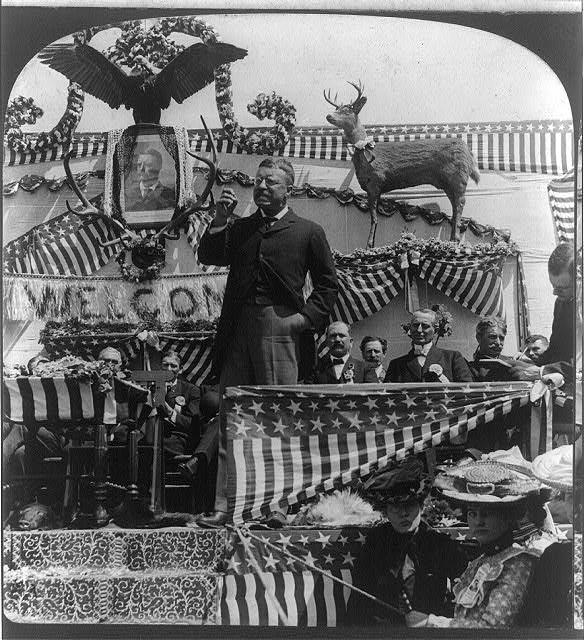
Nearly 20,000 citizens gathered in Cheyenne to hear the President speak on May 31, 1903. Reflecting on his horseback arrival, he stated his desire “not to strive to find out the things that are easiest to do, but the things that are best worth doing.” The crowd included Civil War veterans in both Confederate gray and Union blue uniforms. With them in view, he emphasised the importance of national unity. Referring to the their wartime service, he declared “You don’t care where that man’s birthplace has been; you don't care a snap of your fingers how he worshiped his Maker; you don't care whether he was a banker, bricklayer, lawyer, mechanic, or farmer” Perhaps hoping to point to bridging divides between former enemies, he continued, “It is the same thing now in civil life.” His message was well-received, and the citizens reflected that sense of community with a frontier twist. A handsome cowpony, Ragalon, was gifted to Roosevelt with a specially made saddle, bridle, and blanket. Roosevelt was also entertained with an impromptu frontier show and many barbecues during his stay.
This time in Wyoming marked the value Roosevelt had for veterans and small towns in America. His personability with common Americans, honored veterans included, helped boost his popularity in the subsequent 1904 election. Roosevelt loved the West, and the West loved him back.
Images
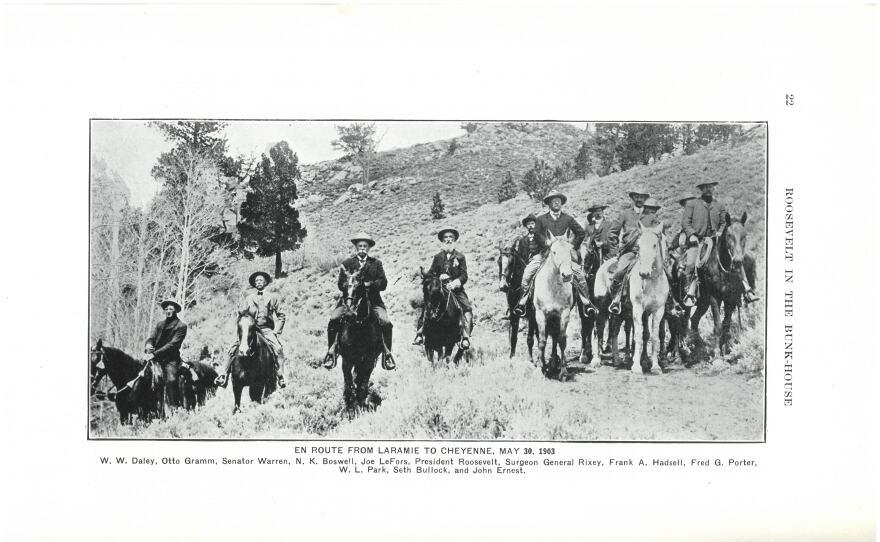
President Theodore Roosevelt and Members of the Riding Party from Laramie to Cheyenne, May 30, 1903. Burt Family Papers, Box 1A. American Heritage Center, University of Wyoming. Reproduced in Roosevelt in the Bunk-house, 22. https://www.wyomingpublicmedia.org/show/archives-on-the-air/2024-12-19/president-on-horseback-450-burt-family-papers
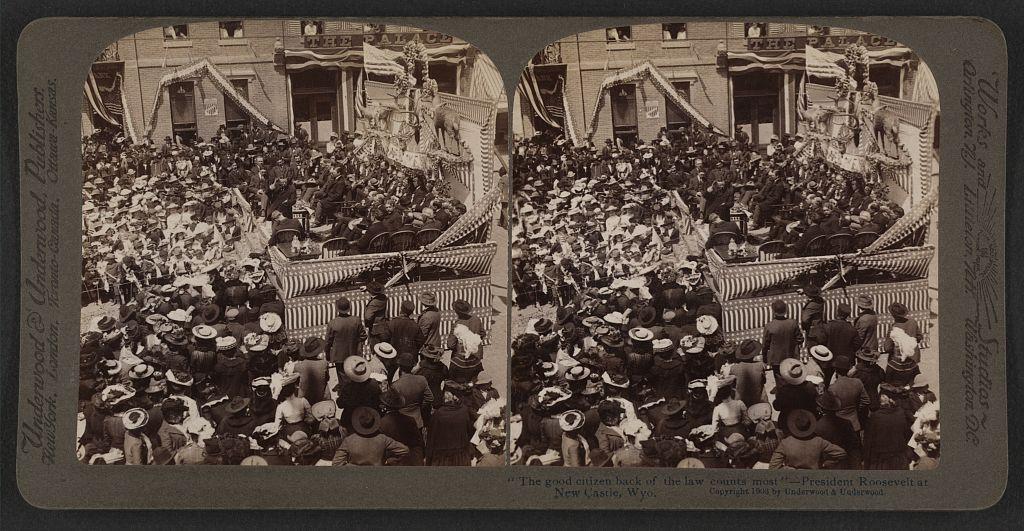
Figure X. “The Good Citizen Back of the Law Counts Most” – President Roosevelt at New Castle, Wyoming, June 11, 1903. Photograph by Underwood & Underwood. Library of Congress. https://www.loc.gov/pictures/item/2010647514/