Two-Bit Street – Ogden, Utah
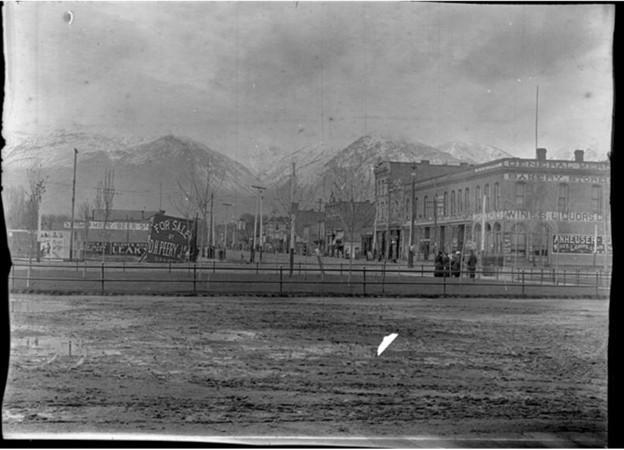
Hill, Fredrick W. and Hill, Nellie F. Eaton, from The Fredrick and Nellie Hill Salt Lake City Photography Collection. “Ogden, 25th Street,” available at https://collections.lib.utah.edu/ark:/87278/s6ng8gtt.
Over the years, Ogden, Utah built its reputation as a countercultural hub, steadfastly resisting religious and political authority and conformity. During Prohibition, the city’s infamous Two-Bit Street flirted with illegality by housing speakeasies, stills, and brothels hidden behind innocent storefronts.
In early twentieth-century Utah, temperance was popular among many members of the Church of Jesus Christ of Latter-day Saints (LDS). The church’s temperance beliefs stemmed from an 1833 doctrine called the “Word of Wisdom,” which church leaders initially treated as guidance for moderate alcohol use. In 1902, Joseph Fielding Smith urged members to view the doctrine instead as a strong suggestion against alcohol. In 1909, this position began influencing state law when Governor William Spry and the legislature passed a local option bill allowing towns to vote on banning alcohol. Many smaller towns voted in favor, while more diverse cities like Ogden and Salt Lake City did not. Despite urban opposition, Utah ratified statewide Prohibition in 1917. In 1921, church president Heber J. Grant aligned church doctrine with state law by declaring alcohol abstinence a requirement. While many LDS members adopted the policy and supported enforcement, an underground drinking culture emerged among other Utahns, especially in Ogden’s 25th Street, also known as Two-Bit Street.
In the late nineteenth century, the completion of the continental railroad brought Chinese and Irish rail workers to Utah. By the turn of the century, LDS members still owned most businesses in smaller towns, but Italian, Chinese, Jewish, and Japanese immigrants owned much of Ogden’s commercial district. This demographic shift made Ogden a culturally distinct city, less influenced by the church’s temperance stance. When Prohibition began, Two-Bit Street became known for alcohol stills, speakeasies, and brothels. Business owners often ran legal operations on the ground floor—ice cream, clothing, and soda shops—while concealing illegal activities on the floors above. A notable example of this was the Davenport Saloon, which was located above various short-lived legal businesses like the Night Hawk Café.
On 03 January 1922, the Ogden Standard-Examiner reported that police raided an ice cream parlor at 170 25th Street. They found two quarter-full bottles of moonshine whisky and arrested the owner, William Pranthel, who pleaded guilty to possession. He claimed the liquor was for personal use, not for sale, but could not explain why it was at the parlor instead of home. He received a sentence of a $299 fine or 180 days in jail. A month later, the same paper reported that police discovered remnants of a recently abandoned still in the same neighborhood, along with several bottles of homemade wine—but no bootleggers.
Prohibition in Utah was more than a legal change—it was a struggle between religious authority and cultural resistance. In Ogden, immigrant families turned Two-Bit Street into a quiet act of defiance, building their own economy behind legal storefronts. It was as much about autonomy as alcohol. While the LDS Church shaped much of the state, Ogden pushed back. Today, Two-Bit Street remains a space where Utah residents challenge law and societal norms.
Images
Hill, Fredrick W. and Hill, Nellie F. Eaton, from The Fredrick and Nellie Hill Salt Lake City Photography Collection. “Ogden, 25th Street,” available at https://collections.lib.utah.edu/ark:/87278/s6ng8gtt.
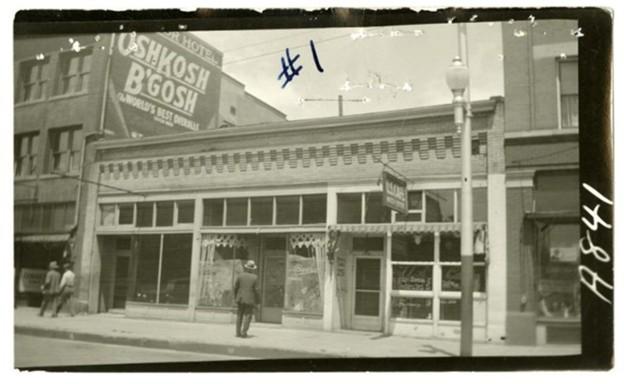
Weber County Assessor’s Office, from The Special Collections Department, Stewart Library, Weber State University. “025_Ogden City 25th Street,” available at https://digital.weber.edu/ark:/87278/s6w8dhv8/69677.
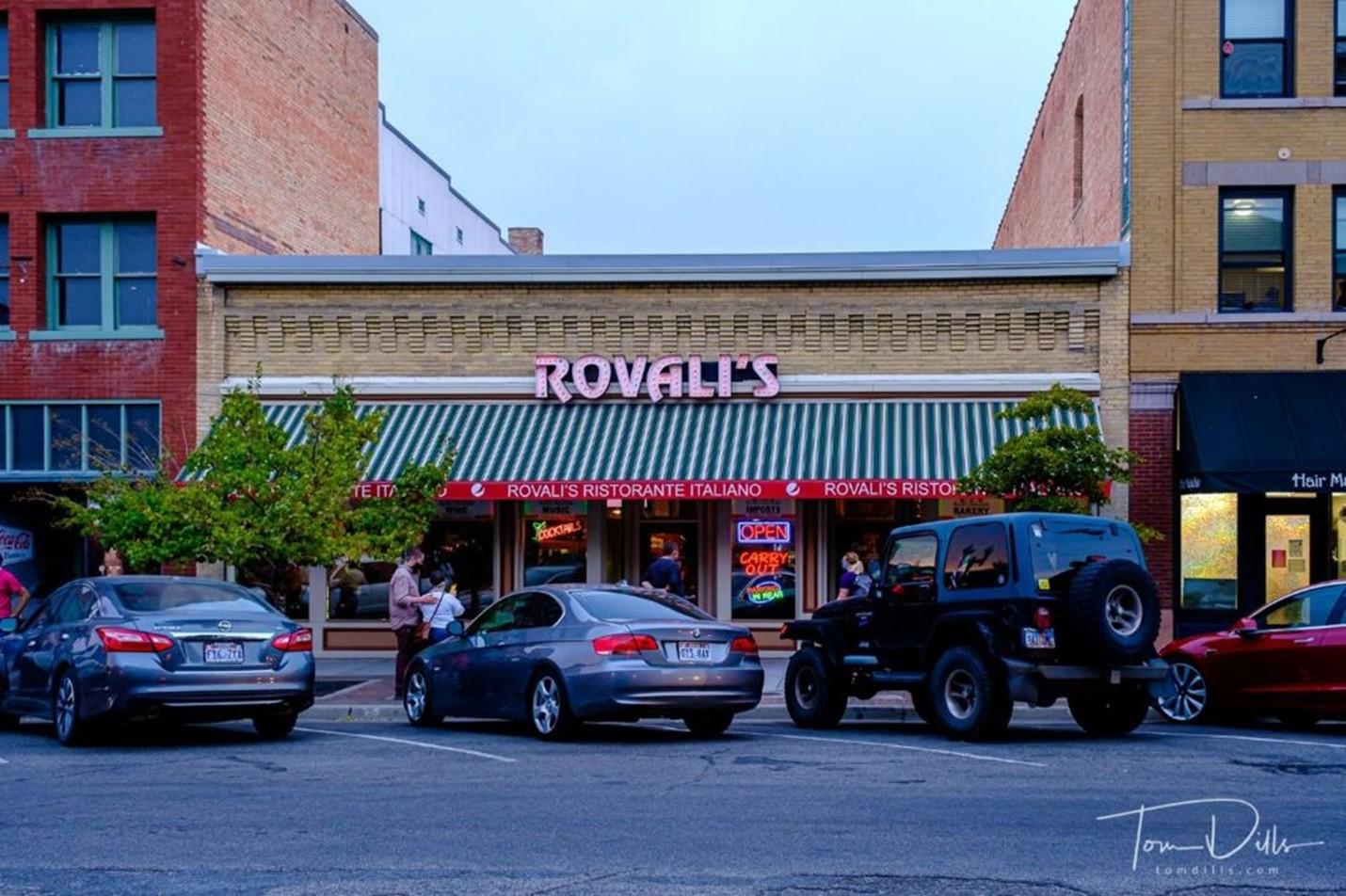
Dills, Tom, from Tom Dills Photography Blog. “Rovali’s Italian Restaurant in Downtown Ogden, Utah,” available at Rovali’s Italian Restaurant in downtown Ogden, Utah | Tom Dills Photography Blog.
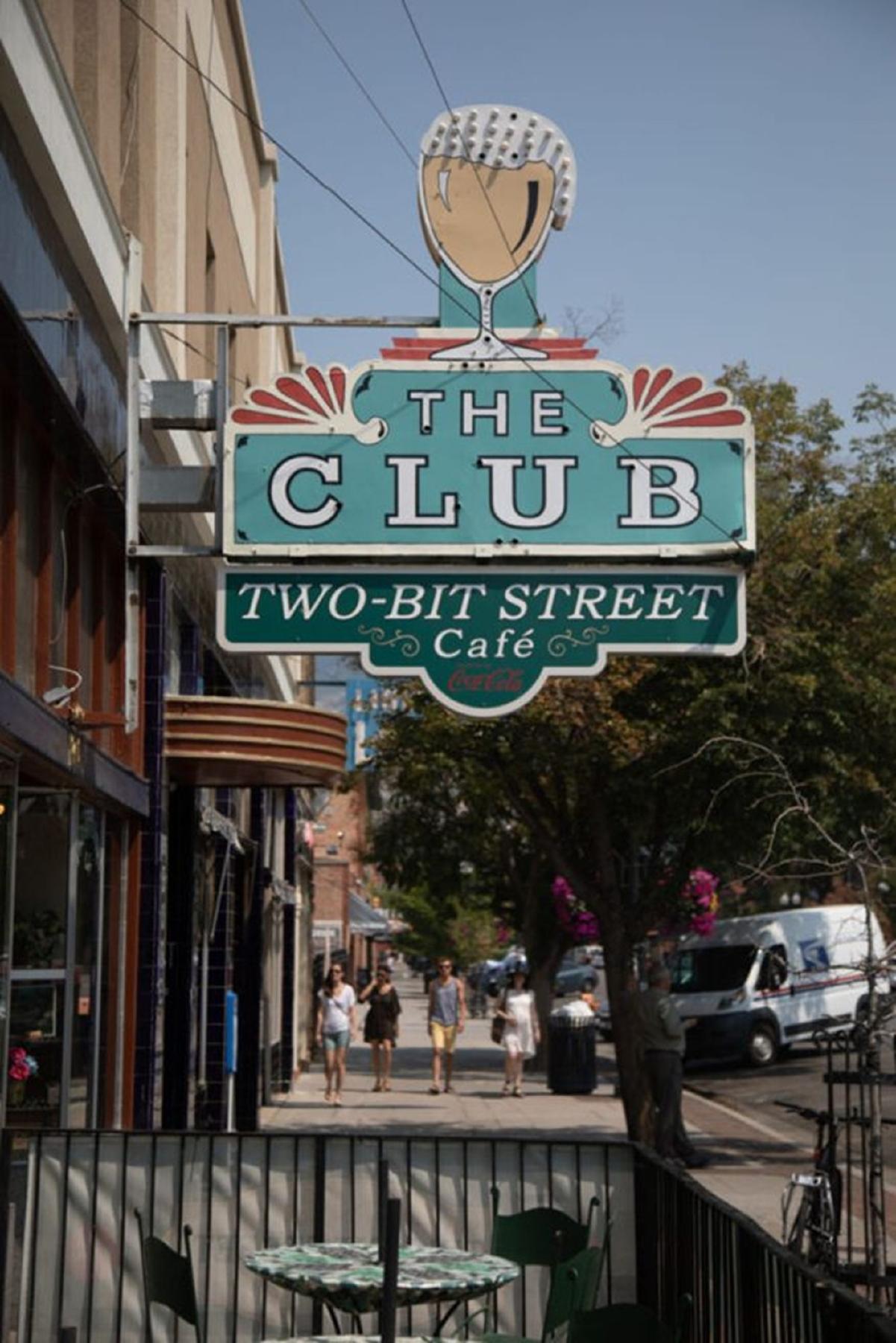
Zack, Benjamin, from The Standard-Examiner. “Two-Bit Street Café in Downtown Ogden is Pictured in August 2018,” available at Owners of Ogden’s Two-Bit Street Cafe mulling future after eviction | News, Sports, Jobs - Standard-Examiner.