The Bonneville Salt Flats: A Natural Wonder and Culture Icon


The Bonneville Salt Flats are a historical wonder. Not just for the state of Utah or the United States, but for the world as well. The history of the founding, to a national speedway, and the protection of environmentalists help keep the flats to their glory and help keep people seeing the ecological wonder for generations to come.
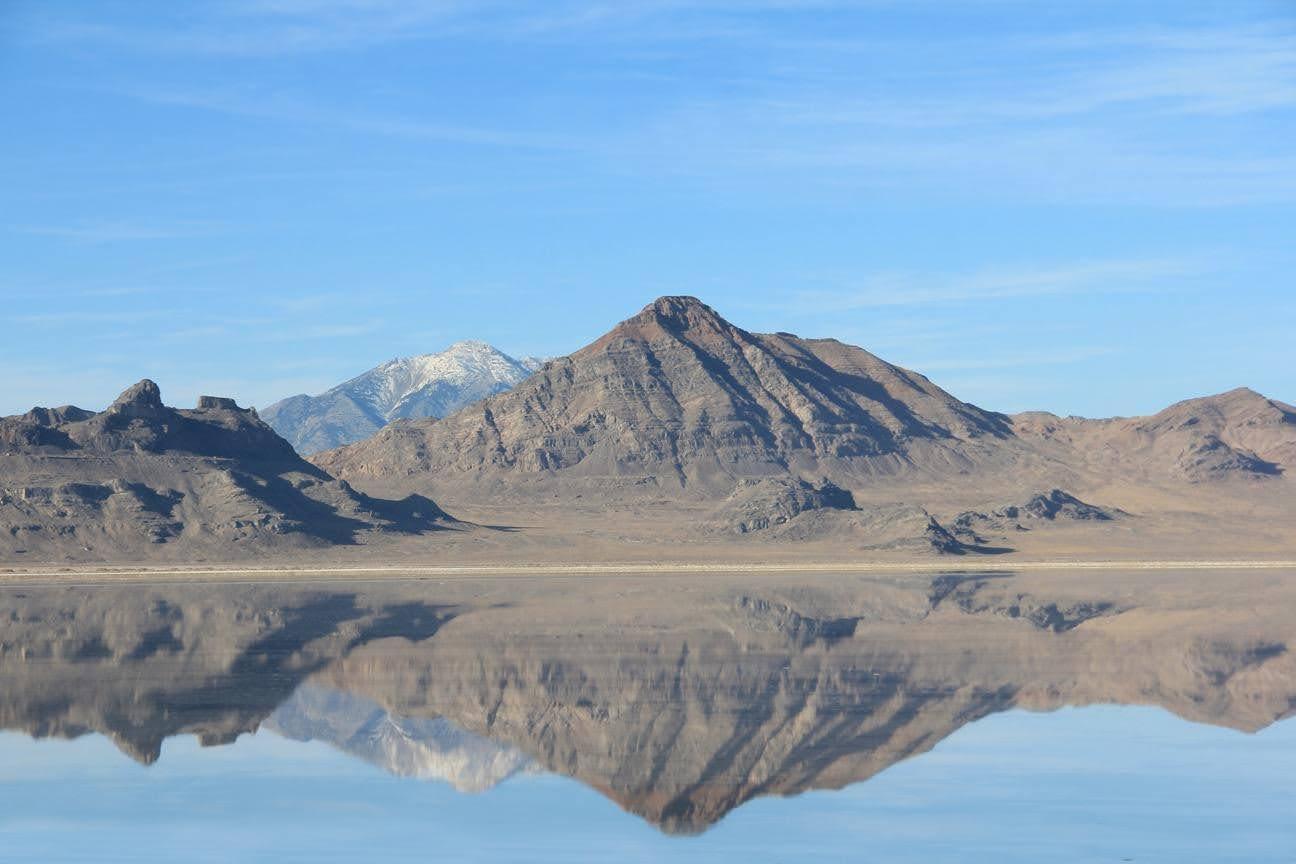
The Bonneville Salt Flats, 12 miles long and 5 miles wide, packed in salt and located in Northwestern Utah, stands as one of the most famous natural landmarks in the United States of America. This special geological formation has attracted the attention of scientists, filmmakers, racers, and adventurers. The flats have also become a center for land speed records (racing and strip driving), ecological studies on the salt and cinematic landscapes.
The salt flats are the remains of Lake Bonneville, a massive prehistoric lake that covered much of the Great Basin during the Pleistocene Epoch, which was approximately 32,000 to 14,000 years ago. Over time, climate changes caused the lake to evaporate, Which left behind a very thick layer of raw material, predominantly salt, which ultimately formed the salt flats.
The Bonneville Salt Flats are named after a French-born U.S army officer who explored and mapped most of the American West in the early 19th century, Benjamin Louis Eulalie de Bonneville. During the modern era, the Bonneville Salt Flats have become identical with speed records and innovation. In the beginning of the 1910s, the flats were used for some automobile speed trials due to the endless, flat surface and the hard salt crust. This was turned into the Bonneville Speedway that was officially established in the 1930s. There are still many races that happen at the speedway today.
Beyond the racetrack and the race cars, the flats have found their way into nowadays popular culture. Their appealing and otherworldly appearance have made them a big location for filmmakers and photographers. Iconic scenes from films like Independence Day and Pirates of the Caribbean: At World's End were shot in flats that set this as a cinematic symbol of the extraordinary beauty of the salt flats.
Efforts to preserve and restore the Bonneville Salt Flats have gained popularity in recent years. The Save the Salt Coalition is a group of racing organizations, scientists and local stakeholders that have been advocating for increased awareness and action to help the flats. Some collaborative projects with the Bureau of Land Management (BLM) have been focused on the brine pumping programs. This aims to return salt to the flats by reintroducing the brine that was removed during mining operations.
The Bonneville Salt Flats are way more than just a geological formation: they are a witness to the connection between nature and history. From their founding as a prehistoric lake to their status as a global symbol of speed and beauty, the flats embody the spirit of human explorations and innovations. The survival of the salt flats is not guaranteed. As the pressures from human activity and climate changes continue to go up, the responsibility to preserve the beautiful landscape lies with all who value the flats. Through future collaborative efforts and the commitment to sustaining the salt flats, we can ensure they continue to inspire and amaze generations to come.
Images