Kit Carson’s 1864 Interactions with Navajos


Kit Carson’s siege of Canyon de Chelly led to the Long Walk relocation of the Navajo peoples. Having since returned to their homeland, the Navajos have proved their endurance through conquest and cultural genocide.
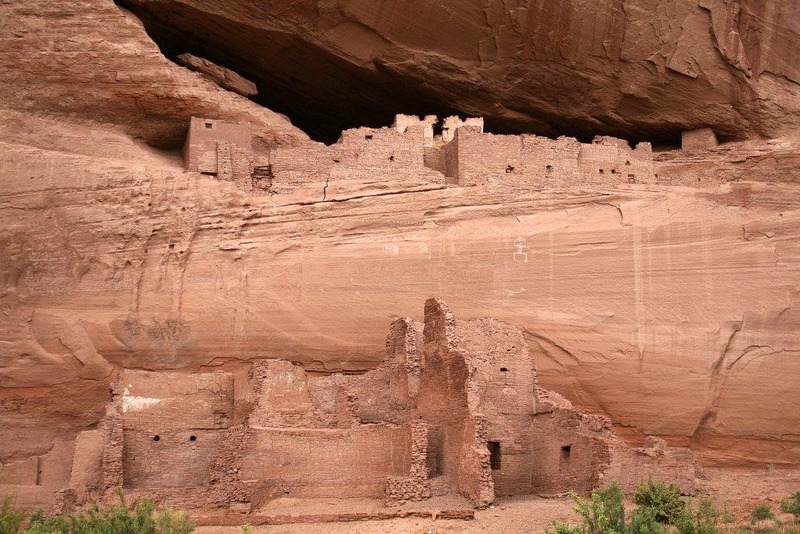
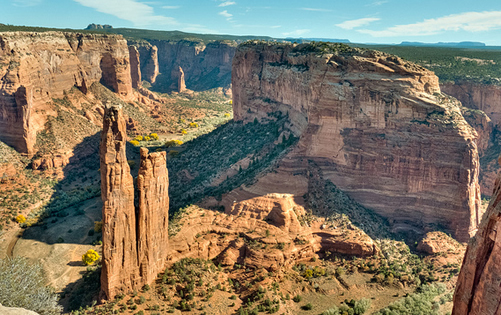
The natural fortress of Canyon de Chelly in modern-day Arizona housed was one of the largest gatherings of Navajo, or Diné, people. The area supported many family communities and contained plentiful resources. Early explorers even considered Canyon de Chelly a dangerous area because of the enormous Navajo population. However, as immigrants moved west in the early nineteenth century, the Navajos faced oppression from settlers and United States military forces. By the 1860s, the Navajos had encountered these groups on multiple occasions and frequently negotiated trade, land inquiry, and intertribal relations.
Indian agent Christopher “Kit” Carson primarily handled dealings between the federal government and Navajo people. The U.S. government authorized a campaign of total warfare against the Navajos to limit their independence and force their removal from the territory. Kit Carson was instructed to lead attacks against various communities of Navajo families and, in 1864, accomplished this goal by cutting off natural resources, exterminating food and shelter, gathering the Navajos together and communally leading them away from their traditional homelands, and incarcerating opposing forces.
Skirmishes and confrontations between the two parties led to the largest tribal surrender in American history. After a month of conflict, Kit Carson and his armies initiated the Navajo Long Walk, a 250-450-mile journey from their homeland to internment camps at Bosque Redondo in New Mexico.
The Long Walk remains a defining moment in Diné history. Navajo war leaders and federal government authorities such as William T. Sherman convened to negotiate the future of the relocated Navajo people. The Navajo Treaty of 1868 allowed survivors to return to their traditional homelands and start over. The destruction at Canyon de Chelly and the subsequent removal caused permanent damage to Navajo family structures and instigated a gradual cultural genocide. Despite their significant losses of population, the Navajo people have managed to withstand the legacy of conquest by preserving their culture and homeland. The Navajos are the largest group of American Indians today.
Images