<?xml version="1.0" encoding="UTF-8"?>
<feed xmlns="http://www.w3.org/2005/Atom">
  <title type="text">Intermountain Histories</title>
  <updated>2026-04-17T19:32:16+00:00</updated>
  <generator uri="http://framework.zend.com" version="1.12.20">Zend_Feed_Writer</generator>
  <link rel="alternate" type="text/html" href="https://www.intermountainhistories.org/"/>
  <link rel="self" type="application/atom+xml" href="https://www.intermountainhistories.org/items/browse?output=rss2"/>
  <id>https://www.intermountainhistories.org/</id>
  <author>
    <name>Intermountain Histories</name>
    <uri>https://www.intermountainhistories.org</uri>
  </author>
  <link rel="hub" href="https://pubsubhubbub.appspot.com/"/>
  <entry>
    <title type="html"><![CDATA[ Women in Los Alamos during the Manhattan Project <br />
]]></title>
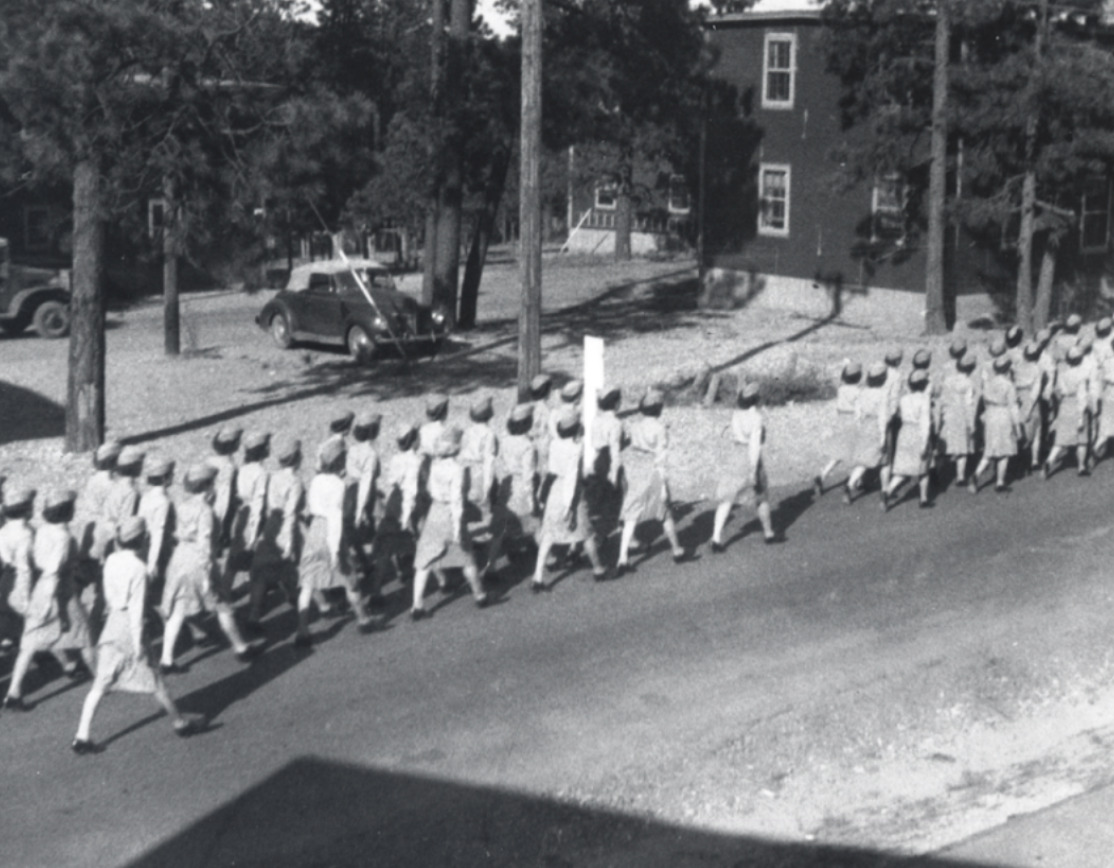
    <summary type="html"><![CDATA[<p><strong><em>With the war effort withdrawing men from the domestic labor force, women became an increasingly important part of the Manhattan Project in Los Alamos. </p></strong></p><img src="https://www.intermountainhistories.org/files/fullsize/c8f195c81db8f6804378056bc75c3f0b.jpg" alt="WAC March in Los Alamos" /><br/><p><span style="font-weight:400;">Wartime labor shortages were a constant struggle for the United States during World War II. They needed to send troops overseas, develop weaponry, spy on their enemies, strategically plan, and mobilize the entire nation as quickly as possible. By 1943, the United States Army was 200,000 men short for their invasion on D-Day, they were in need of 315 more physicists for their defense projects, and the Manhattan Project was desperately in search of all kinds of labor from scientists and engineers to machinists and pipefitters. In response, President Franklin D. Roosevelt signed into existence the Women’s Army Auxiliary Corps established “for the purpose of making available to the national defense the knowledge, skill, and special training of women of the nation” on May 15, 1942. Still facing discrimination, unequal pay, and fewer opportunities than their male counterparts, women played an essential role in World War II, especially in Los Alamos. </p>
<span style="font-weight:400;">Because Los Alamos was such a restricted town and the directors wanted to limit the number of outsiders, General Leslie Groves encouraged wives of scientists to work on the project in whatever capacity they could. As an incentive, they provided nursery schools for their young children to aid with childcare. Despite the government’s encouragement, some women were still hesitant to work on the project over concerns for their family’s well-being. Many had not expected to work at all, and quite a few were dissatisfied with the living conditions in which they now were expected to raise their children. Charlotte Serber, the only female group leader at the laboratory, wrote, “For the potential working wife, there was one chief worry. Could she manage her home here on the mesa and work too?” These were fair concerns. The conditions under which they were expected to work were difficult. They were isolated from extended family, were allowed only one day off of work per month for shopping in Santa Fe, were expected to work forty-eight hours in a week, and had almost no bargaining power to shift their rules or salary. They were also far less likely to gain security clearance than their male counterparts, so it was unlikely that they knew what they were helping create. </p>
<span style="font-weight:400;">Despite these stringent circumstances, many women in Los Alamos did work on the secretive atomic gadget. By October 1944, women constituted about 30% of the labor force in the Tech Area, hospital, and schools. It is also notable that although they did employ some women in clerical positions, the vast majority were scientists or technicians. They were metallurgists, engineers, physicists, chemists, and teachers, involved in every aspect of the atomic effort until the very end. The exception for this participation was in Project Alberta. This was the very last phase of the project; the physical delivery of the bomb to the Pacific island Tinian where the nuclear components were assembled before being dropped on Japan. Women who had spent years contributing to this moment were left behind in the United States to learn about the bombingsfrom the same newspapers as everyone else. However, the atomic bomb could not have been built as quickly or efficiently as it was without the contribution of women. They faced gender discrimination, suboptimal conditions, and unfair pay to contribute to the atomic effort in Los Alamos. </span>

</p><p><em><strong><a href="https://www.intermountainhistories.org/items/show/756">For more (including 3 images) view the original article</a></strong></em></p>]]></summary>
    <published>2023-09-24T18:36:48+00:00</published>
    <updated>2026-04-17T19:32:16+00:00</updated>
    <link rel="alternate" type="text/html" href="https://www.intermountainhistories.org/items/show/756"/>
    <id>https://www.intermountainhistories.org/items/show/756</id>
    <author>
      <name>Abigail Beus, Brigham Young University</name>
    </author>
  </entry>
  <entry>
    <title type="html"><![CDATA[Dorothy McKibbins: The Gatekeeper of Los Alamos ]]></title>
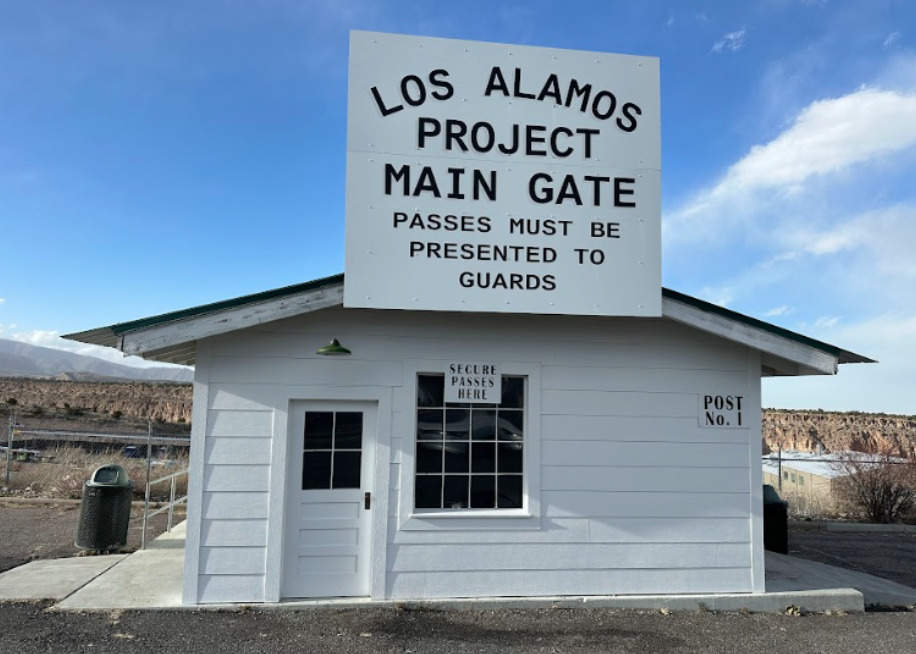
    <summary type="html"><![CDATA[<p><strong><em>The Manhattan Project would not have been possible without the efforts of Dorothy McKibbin, the Gatekeeper of Los Alamos. From attaining marriage licenses to transferring phone calls, Dorothy McKibbin was an integral and diversely skilled cog in the large machine of building the first nuclear weapons. </p></strong></p><img src="https://www.intermountainhistories.org/files/fullsize/5c401996b7cfdc416ba17d96a788fbec.jpg" alt="Los Alamos Project Main Gate Replica" /><br/><p><span style="font-weight:400;">Once General Leslie Groves and Dr. J. Robert Oppenheimer chose Los Alamos, New Mexico as the place to build the atomic bomb; hundreds of bewildered employees streamed into the nearby town of Santa Fe. Due to the confidentiality of the Manhattan Project, recruitment was difficult and details provided to the new hires were vague because of the classified nature of their work. They were told that their work would helpe war effort and be located in the scenic mesas of New Mexico, but little else. After a long train ride to the nearby town of Lamy, scientists and their families hauled their luggage through the winding streets of Santa Fe, looking for 109 East Palace Avenue—the only address they had been given. There, they were met by a simple red and blue sign reading “United States Engineer Office No. 3” and the welcoming presence of Dorothy McKibbin. </p>
<span style="font-weight:400;">In 1932, recently-widowed Dorothy McKibbin moved to Santa Fe from Kansas with her son, hoping for a new life. When she met Dr. J. Robert Oppenheimer in 1943, she found one. Oppenheimer recognized her comforting, calming, and competent presence and asked her to be a War Department secretary with unspecified duties. Like the other personnel, she only knew that her job concerned an essential war project. As she discovered after accepting the position, duties encompassed everything from disciplining Nobel laureates, receiving classified mail, enforcing security, helping lost families find the way to their new homes, and more. She was there for some of the most important moments of the project, even observing the Trinity Test from a car parked near Albuquerque. To Dorothy McKibbin, “Working at 109 was more than just a job. It was an exciting experience. Our office served as the entrance to one of the most significant undertakings of the war or, indeed, of the twentieth century.” </p>
<span style="font-weight:400;">For the entirety of the Manhattan Project she was the point of contact between the secret city and the rest of the world, earning herself the nickname of  the “Gatekeeper of Los Alamos.” After the Manhattan Project concluded, the site was renamed the Los Alamos National Laboratory, and McKibbin continued to work there until her retirement in 1963. She spent her retirement organizing community programs in Los Alamos and Santa Fe until her death in 1985. Today, a room in the Los Alamos History Museum is named in her honor, and although her office at 109 East Palace currently houses a gift shop, its original iron gate which once welcomed thousands to the secret city is on display at the Los Alamos History Museum. </span>
</p><p><em><strong><a href="https://www.intermountainhistories.org/items/show/752">For more (including 4 images) view the original article</a></strong></em></p>]]></summary>
    <published>2023-09-08T01:24:19+00:00</published>
    <updated>2026-04-17T19:32:16+00:00</updated>
    <link rel="alternate" type="text/html" href="https://www.intermountainhistories.org/items/show/752"/>
    <id>https://www.intermountainhistories.org/items/show/752</id>
    <author>
      <name>Abigail Beus, Brigham Young University</name>
    </author>
  </entry>
  <entry>
    <title type="html"><![CDATA[Bathtub Row ]]></title>
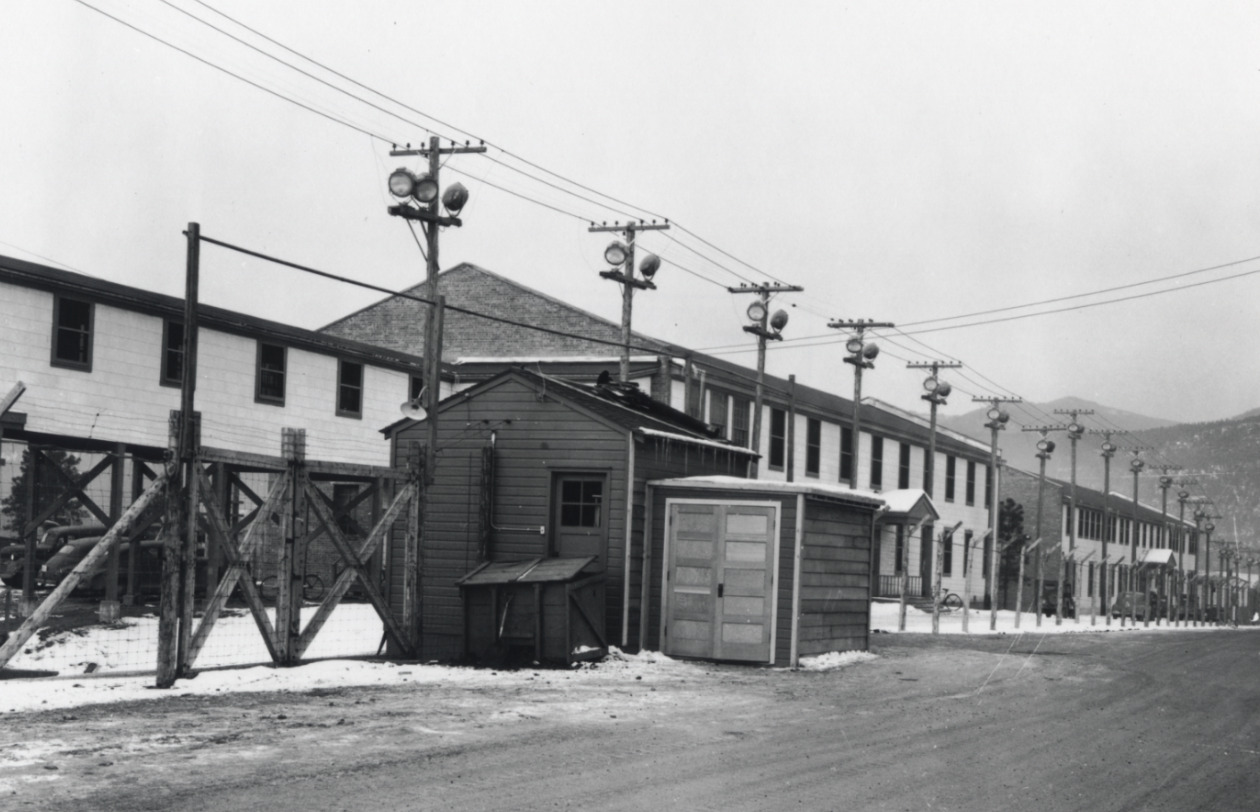
    <summary type="html"><![CDATA[<p><strong><em>As scientists raced to build the first atomic weapon during WWII, they were required to sacrifice their time, academic careers, energy, bathtubs, and more in the remote desert highlands of New Mexico. </p></strong></p><img src="https://www.intermountainhistories.org/files/fullsize/81238fa6d58203850c43f89b67708cda.jpg" alt="Los Alamos Infrastructure " /><br/><p>As World War II raged into the 1940s, each country in the war was an avid participant in the race for scientific advancement. With such high stakes, the United States invested two billion dollars—over $33 billion today—in the creation of the atomic bomb. This massive project was dubbed the Manhattan Project, after its headquarters in New York, despite largely taking place in the remote highlands of New Mexico.</p><p><span style="font-weight:400;">While the United States had fiscal resources to invest in the project, they did not have much time. Both the Germans and the Soviets were developing their own nuclear weapons, and it seemed that whoever discovered how to harness the power of the atom first would win the war. The speed and urgency of the venture inevitably meant that some details were overlooked. Construction teams were tasked with building housing for thousands of men, women, and children in the remote deserts of New Mexico in total secrecy. The workmanship of many of these early houses was shoddy at best. Project builders were not only short on time, but materials. In particular, iron was a scarce resource and largely reserved for the war effort. Understandably, it could hardly be used for iron bathtubs. Due to these factors, the majority of scientists, military personnel, and their families lived in small, relatively iron-less, hastily built homes with only a few variations of bathroom fixtures—none of which included bathtubs. </span>
<span style="font-weight:400;">Only a single row of houses had the luxury of bathtubs because they were built before the war and had originally belonged to teachers of a secondary boys’ ranch school. These “master cottages” were some of the only buildings already built when the government bought the land and were a coveted luxury. Reserved for men such as Nobel-Prize winning Englishman Sir James Chadwick, explosives expert George Kistiakowsky, bomb designer Max Roy, ordnance director William S. “Deak” Parsons, and head scientist Robert J. Oppenheimer, bathtubs were a sign of prestige in this secret New Mexico town. According to local legend, Alice Kimball Smith, wife of scientist Cyril Smith, coined the term “bathtub row.” This effectively differentiated between the comfortable ranch school homes with bathtubs and those of government construction with showers.</p>
<span style="font-weight:400;">Despite the obvious disparity, many on Bathtub Row were willing to share their good fortune. Robert Oppenheimer was reportedly a generous host who invited many in the community into his home for classified discussions, drinks, and dinner parties. Ordnance director William S. Parsons’ home was fortunate enough to have two bathtubs. He often allowed military men to use them if they were injured and unable to stand for long periods of time under a shower. These bathtubs were also used to entice babysitters who would be rewarded with a relaxing soak in their neighbor’s home in exchange for an afternoon taking care of the owners’ children.</p>
<span style="font-weight:400;">Today, these houses are privately owned, but remain part of the Los Alamos National Historical Landmark District. In 2007, the Los Alamos population petitioned to change the street name from 20th to Bathtub Row. The community has continued to embrace this humorous anecdote from WWII through naming the local brewing co-op after the iconic row of houses. It stands as a reminder of the simple luxuries many relinquished in favor of supporting the American effort during WWII. </span>

</p><p><em><strong><a href="https://www.intermountainhistories.org/items/show/751">For more (including 10 images) view the original article</a></strong></em></p>]]></summary>
    <published>2023-09-08T00:39:58+00:00</published>
    <updated>2026-04-17T19:32:16+00:00</updated>
    <link rel="alternate" type="text/html" href="https://www.intermountainhistories.org/items/show/751"/>
    <id>https://www.intermountainhistories.org/items/show/751</id>
    <author>
      <name>Abigail Beus, Brigham Young University</name>
    </author>
  </entry>
  <entry>
    <title type="html"><![CDATA[Ashley Pond]]></title>
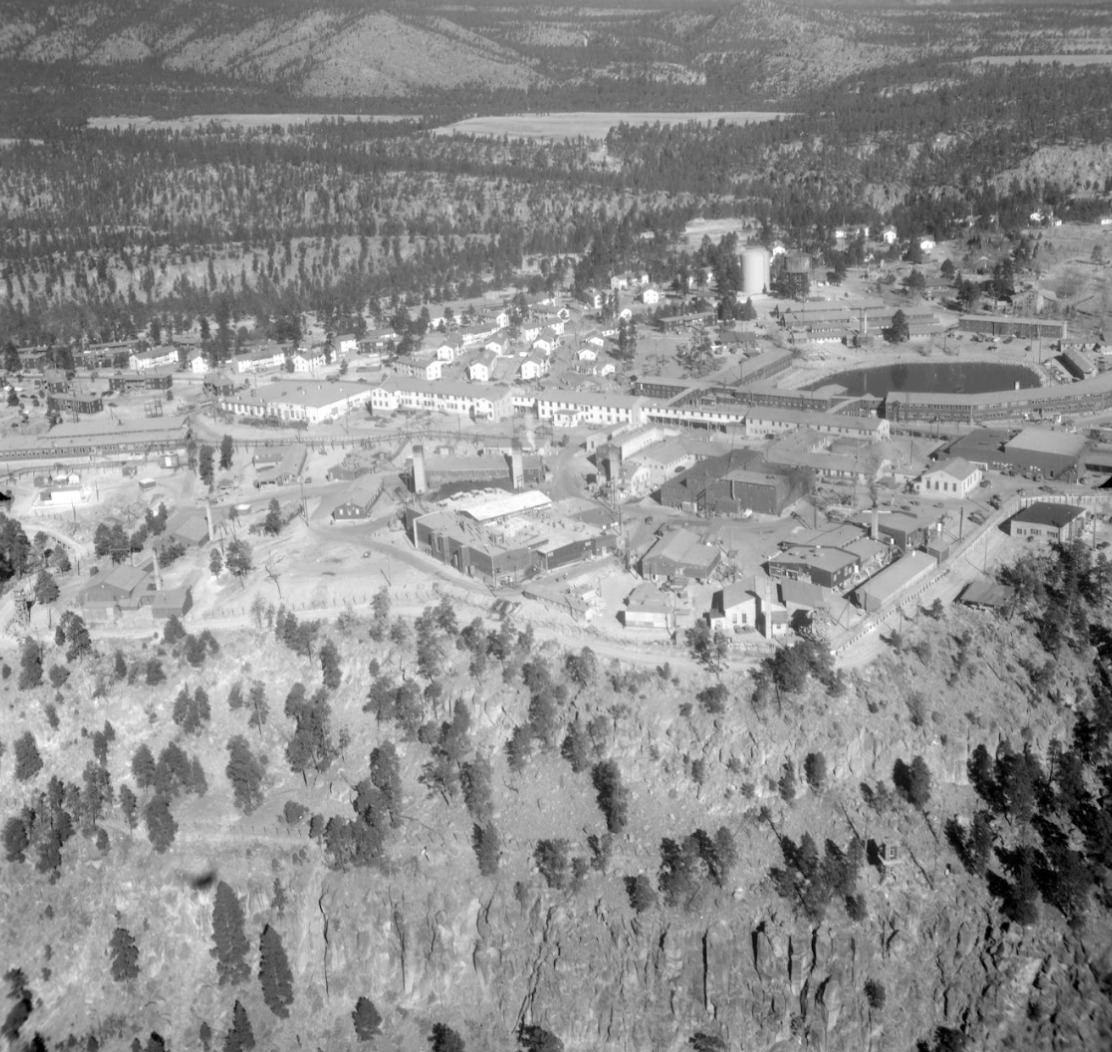
    <summary type="html"><![CDATA[<p><strong><em>From a soggy bog to a beloved community gathering place, the change and continuity of Ashley Pond illustrates the many eras of Los Alamos from homestead to Ranch School to government laboratory to the vibrant community of today.</em></strong></p><img src="https://www.intermountainhistories.org/files/fullsize/474ae326a19e2d428271b8e7a2ab5485.jpg" alt="1946 Aerial View of Los Alamos" /><br/><p><span style="font-weight:400;">Although Ashley Pond is now a prominent green space in the center of Los Alamos, it had a less majestic beginning. In 1908, it was a soggy depression used by homesteader H. H. Brook for watering his stock. Later, the Los Alamos Ranch School used it for the same purpose. Its applicable, albeit unimaginative, first name was the Stock Watering Tank. This was later switched to the Duck Pond in honor of its most popular visitors. The waterhole continued to remain a relatively unimpressive morass until the Ranch School built a dam in Los Alamos Canyon in 1923. This created a small reservoir which fed a pipeline to provide the school with water. The overflow from the pipeline was then dispersed into a puddle which progressively grew into a pond and then a small lake. </p>
<span style="font-weight:400;">The all-boys Los Alamos Ranch School was founded in 1917 by Detroit native, Ashley Pond Jr., who created it to generate tough, intelligent, well-rounded, and experienced outdoorsmen. As such, the students were encouraged to utilize the beautiful landscape for recreation and exercise. The pond provided an ideal place to put their learning into practice. Although never deep enough for true diving, the pond was perfect for canoeing and an excellent place to practice swimming. In the winter, the boys skated across its frozen surface playing hockey and harvesting the ice for the coming year. Ice blocks were stored in a nearby stone ice house and they were known to have collected enough ice to sustain them for up to two years. Once sufficiently filled, school faculty member—and notorious lover of puns—William Mills, provided the name of Ashley Pond in honor of the founder. The official title for the pond is Ashley Pond, not Ashley Pond Pond, but today Los Alamos natives enjoy the humorous anecdote. </p>
<span style="font-weight:400;">When the United States government acquired the land for the Manhattan Project, they allowed the school two months to make other arrangements. The boys went through a hurried graduation and left their beloved mountains, mesas, and pond in the hands of scientists. Manhattan Project staff built the Technical Area, also called TA 1, around the south side of Ashley Pond as a safeguard against fire. They repurposed the ice house as well, using it in 1945 to assemble nuclear components of the “gadget” which would be tested at Trinity. As such, Ashley Pond became restricted under laboratory security and very few outsiders were able to enjoy it. </p>
<span style="font-weight:400;">Today, Ashley Pond is a pleasant downtown landmark of Los Alamos. Situated near the center of town, it is used for picnics, walks, and outdoor concerts in the summer. Los Alamos natives attentively watch the ducks and geese who live at the pond, especially during chick season. During the winter, surrounding trees are decorated with colorful Christmas lights. The local winter parade currently ends at the pond, the same place where the Ranch School boys canoed and harvested ice nearly a century ago. </span>


</p><p><em><strong><a href="https://www.intermountainhistories.org/items/show/750">For more (including 6 images) view the original article</a></strong></em></p>]]></summary>
    <published>2023-09-07T23:39:58+00:00</published>
    <updated>2026-04-17T19:32:16+00:00</updated>
    <link rel="alternate" type="text/html" href="https://www.intermountainhistories.org/items/show/750"/>
    <id>https://www.intermountainhistories.org/items/show/750</id>
    <author>
      <name>Abigail Beus, Brigham Young University</name>
    </author>
  </entry>
  <entry>
    <title type="html"><![CDATA[Desert National Wildlife Refuge and Competing Agendas in Nevada]]></title>
    <summary type="html"><![CDATA[<p><strong><em>Desert National Wildlife Refuge encompasses a large portion of southern Nevada, spanning from Area 51 to the northern tip of the greater Las Vegas area, and is part of a wildlife refuge complex protecting Nevada’s unique and rare species. However, the Nevada desert offers promising opportunities for many, and the contest for its usage is seemingly never-ending.</em></strong></p><img src="https://www.intermountainhistories.org/files/fullsize/74cfd8c703bc5ebd8b073c9827586909.jpg" alt="Petrogylphs at Desert NWR" /><br/><p>Desert National Wildlife Refuge (Desert NWR), the largest national wildlife refuge in the contiguous United States, spans vast tracts of land in Nevada. Adjacent to the Nevada Nuclear Test Site and overlapping the Nellis Air Force Range, the refuge and surrounding preserves form the Desert National Wildlife Refuge Complex, home to several rare and endangered species such as the Devils Hole pupfish. Though established to preserve Nevada’s natural landscape, various interest groups in the region are in continual conflict over how to use Desert NWR, some sharing its preservationist goals and some not.
The US Fish and Wildlife Service created Desert NWR in 1936 primarily to protect desert bighorn sheep. In doing so, the government also recognized southern Nevada’s high biodiversity and varied desert environments, from the oasis of Ash Meadows to the landscape of the Great Basin. However, not all shared this appreciation. When military officials searched for a place to test nuclear weapons in the wake of World War II, they chose Nevada’s “wasteland” as the site that would generate the least collateral damage. The Nuclear Test Site settled in Nye County, Nevada in 1951, coming to rest on land that the Shoshone people had called home for millennia.
The Western Shoshone Nation quickly challenged the military’s appropriation, pointing to the terms set in the 1863 Treaty of Ruby Valley. Though the US government had acknowledged Shoshone sovereignty in the region, they still asserted that their nuclear agendas took precedent. In addition to the Western Shoshone’s rights to the land, the environmental impact of nuclear testing quickly became a pressing issue due to how far wind carried radioactive remnants of bomb tests. The Test Site terminated above-ground testing in the 1990s and fully closed in 2010. In the late 2010s and early 2020s, however, the federal government continued to encroach on the refuge’s land. Conflicts about the nearby Air Force range have proposed both expanding and withdrawing its reaches, with the debate still ongoing. The presidency of Donald Trump even reopened discussions on the proposed nuclear waste site at nearby Yucca Mountain.
The prevalent and continued debate over Nevada desert land shares fundamental elements with many land rights conversations in the West. Paiute and Shoshone presence within the Refuge confines is impossible to ignore, especially with petroglyphs and sacred sites scattered across the landscape. Military presence also touches upon another sensitive topic in Western states—the overwhelming amount of federally-owned land. Much of the strong Nevadan opposition to test site expansion stems from resentment towards the government, as many feel that the state government should maintain more dominion over local land. Yet the state itself continues to violate the dominion of those who have used the land far longer than any Nevada citizen. For a so-called wasteland, the deserts of southern Nevada draw much attention.</p><p><em><strong><a href="https://www.intermountainhistories.org/items/show/545">For more (including 4 images) view the original article</a></strong></em></p>]]></summary>
    <published>2021-12-17T01:03:55+00:00</published>
    <updated>2026-04-17T19:32:11+00:00</updated>
    <link rel="alternate" type="text/html" href="https://www.intermountainhistories.org/items/show/545"/>
    <id>https://www.intermountainhistories.org/items/show/545</id>
    <author>
      <name>Len Truelsen, Northern Arizona University</name>
    </author>
  </entry>
  <entry>
    <title type="html"><![CDATA[Atomic Veterans: Orville E. Kelly and Thomas H. Saffer]]></title>
    <summary type="html"><![CDATA[<p><strong><em>Soldiers know that risking their lives is a part of their duty to their country, but what does it mean to die for your country as a guinea pig? Orville E. Kelly, Thomas H. Saffer, and many other atomic veterans have asked themselves that very question.</em></strong></p><img src="https://www.intermountainhistories.org/files/fullsize/25fcd3e64734287b41e8a710928dae84.jpg" alt="Frenchman&#039;s Flat" /><br/><p>It was 5:30 a.m. on the morning of June 24, 1957 when second-lieutenant Thomas H. Saffer knelt in a trench at the Nevada Nuclear Testing Site. He and his fellow service-men had been assigned to experience the full effects of a nuclear explosion as part of the Plumbbob series. Saffer had been told that kneeling in the trench just two miles away from ground zero would protect him from the gamma rays because they only traveled in a horizontal direction. All he needed to do was kneel down, cover his eyes with his arm, and brace himself. An inter-com announced the count-down:  Three, two, one . . . </p><p>"At zero, I heard a loud click. Immediately, I felt an intense heat on the back of my neck. A brilliant flash accompanied the heat, and I was shocked when, with my eyes tightly closed, I could see my bones in my forearms as though I were examining a red x-ray . . . I had been bounced helplessly around in the trench for ten to twelve seconds that seemed like an eternity. I felt as though I had been attacked and savagely beaten by a gang of toughs who hammered on my helmet and tore at my clothing from all sides. I was alive but dazed. No one had prepared me for what I had experienced. Had something gone wrong or was my encounter typical of a nuclear explosion?"</p><p>Saffer’s experience actually was typical for the thousands of soldiers who participated in the nuclear testing from 1945 to 1963. Later, he discovered that he was not the only veteran to develop serious health problems due to the heavy doses of radiation released during the nuclear explosions. An estimated 250,000 defense personnel were exposed to radiation during the United States nuclear weapons tests. For some, it meant cancer and premature death.  Over the years, soldiers realized the effects of their service on their lives and fought for reparations. </p><p>In 1979, Orville E. Kelly organized the NAAV or the National Association of Atomic Veterans “for the purposes of allowing the U.S. Atomic Veteran Community to speak, with a single voice, to their inability to get a fair hearing related to their developing (radiogenic) health issues.” He was the first Atomic Veteran to be awarded compensation by the Veterans Association for the effects of radiation. In 1996, the Repeal of Nuclear Radiation and Secrecy Agreements Law allowed veterans to share their experiences during nuclear testing. The Compensation Act of 1988, the Radiation Exposure Compensation Act in 1990, and the 1995 Advisory Committee on Human Radiation Experiments all acknowledged the mistake of the federal government to not inform soldiers and citizens of the dangers of nuclear testing. </p><p>The government performed the tests in the name of national security, but in the end its own citizens were harmed. While the atomic bomb is often debated in the terms of war, it is important to acknowledge the costs at home.</p><p><em><strong><a href="https://www.intermountainhistories.org/items/show/164">For more (including 5 images) view the original article</a></strong></em></p>]]></summary>
    <published>2018-05-09T03:01:34+00:00</published>
    <updated>2026-04-17T19:32:01+00:00</updated>
    <link rel="alternate" type="text/html" href="https://www.intermountainhistories.org/items/show/164"/>
    <id>https://www.intermountainhistories.org/items/show/164</id>
    <author>
      <name>Emily Cook, Brigham Young University</name>
    </author>
  </entry>
  <entry>
    <title type="html"><![CDATA[Bullock v. United States: Radioactive Sheep]]></title>
    <summary type="html"><![CDATA[<p><strong><em>The United States Nuclear Testing Program began in the 1950s and was conducted in the Nevada desert near local sheep grazing lands. The Bullock ranching family was heavily affected by the radiation in spring of 1953. Vera Bullock later recorded, “By June 4, eleven bomb tests had been conducted and our lives had been changed forever.” </em></strong></p><img src="https://www.intermountainhistories.org/files/fullsize/fd234e2ec746f3649367c03784144c09.jpg" alt="Tikaboo Valley" /><br/><p>It was an early, spring morning in 1953 in eastern Nevada when brothers Kern and McRae Bulloch were grazing their sheep. Just miles east of the Nevada Nuclear Testing Site, these brothers were witness to one of the largest nuclear tests performed by the United States government. Kern recorded the experience from that morning in his own words:</p><p>"I remember the day very distinctly. I was sitting with one leg cocked over my saddle horn, when I noticed some airplanes. I watched them come from the east and start to turn north over the Nevada Test Site. All at once there was a fire ball, I threw my hands over my eyes, it about blinded me, my horse darn near unloaded me, and the sheep all came together in a wad. They had dropped a bomb from the air less than 40 miles away."</p><p>Unnerved by the experience, the brothers sat talking until a convoy of military personnel traveled toward them. An officer addressed them saying, “You’re in a hell of a hot spot. Get these sheep and yourselves the hell out of here as fast as you can.” Kern and McRae moved their sheep, but with a whole outfit of supplies and sheep that only moved six miles a day, the process was slow. On the way back to Utah, the brothers noticed burns and sores on their sheep and horses. </p><p>After the Bullocks arrived at their lambing sheds in Cedar City, the sheep died in droves. Each morning, the Bullocks awoke to find more of their sheep dead than the day before. Other sheep ranchers who were in Nevada with them experienced the same strange symptoms of deaths, burns, and deformed lambs. The lambs that survived birth only lived for several hours. In total, the Bullocks lost 2,300 sheep. Local veterinarians were baffled and the Atomic Energy Commission (AEC) was contacted. Kern was present when government scientists measured the radiation on the sheep with their Geiger counters and were stunned, “They’re so hot the needle’s about to jump the post.” Their final report was published and the cause of death determined: malnutrition. The ranchers were outraged. </p><p>The ranchers had not only lost millions of dollars, but their way of life. In 1955, Kern and five other ranchers determined to take the United States government to court. They asked that each rancher be compensated at current market price for each sheep lost. Kern’s wife Vera later wrote that before the trial an AEC attorney approached Kern. He admitted that the radiation killed the sheep, but that the AEC could never admit it because “every pregnant woman who lost a baby and every person who got sick would sue the government.” The ranchers lost the case in 1955 and the appeals case in 1982. McRae later told a newspaper reporter, “What I feel bad about is if they knew they were going to hurt us, why didn’t they warn us ahead of time?” Many families in southern Utah would ask the same question over the next several decades. Bullock v. United States was the first of a series of legal battles against the AEC for negligence</p><p><em><strong><a href="https://www.intermountainhistories.org/items/show/163">For more (including 3 images) view the original article</a></strong></em></p>]]></summary>
    <published>2018-05-08T02:41:55+00:00</published>
    <updated>2026-04-17T19:32:01+00:00</updated>
    <link rel="alternate" type="text/html" href="https://www.intermountainhistories.org/items/show/163"/>
    <id>https://www.intermountainhistories.org/items/show/163</id>
    <author>
      <name>Emily Cook, Brigham Young University</name>
    </author>
  </entry>
  <entry>
    <title type="html"><![CDATA[The Production and Legacy of The Conqueror (1956)]]></title>
    <summary type="html"><![CDATA[<p><strong><em>Considered to be one of the worst films ever made, the film, The Conqueror, was filmed in St. George, Utah.  Many years later, after many of the stars of the film died of cancer, the connection between the film and fallout from atomic bomb testing in nearby Nevada was made.</em></strong></p><img src="https://www.intermountainhistories.org/files/fullsize/9de8bc33ea9c69ffadd3f275856b6ac4.jpg" alt="John Wayne and Susan Hayward" /><br/><p>The 1956 film The Conqueror has an interesting connection to the state of Utah. Produced by Howard Hughes and distributed by RKO Radio pictures, the residents of St. George knew their town was in for something big when the idea of filming a “religious extravaganza” in the area was proposed in a City Council meeting in spring 1954. The southern Utah not foreign to Hollywood productions as many films had been made in Kanab and elsewhere. However, this would be the first time a major movie would be filmed in St. George. Filming began in the summer of 1954, and cost a total of six million dollars - making it one of the most expensive films ever made up to that point. </p><p>The picture was directed by Dick Powell and star legendary Western actor John Wayne as Mongolian leader Genghis Khan. Susan Hayward starred as a beautiful Tartar princess who is captured by Khan. Location scouts believed Snow Canyon State Park, Escalante Desert, and a few smaller towns near St. George would be perfect landscapes for recreating the Gobi Desert. Seven-hundred locals were employed to work on the film, and an estimated $750,000 dollars was brought into the town’s economy. Hotels were booked, buses were rented, catering was provided from local restaurants and the Boy Scouts of America provided the crew with hundreds of chairs and tables. Many locals were even hired to be extras. Notably, a group of 300 Native Americans were used in a scene depicting a Mongol village. Summer tourists remember seeing large staged battles between costumed actors riding on horses.</p><p>Though the film performed quite well at the box office, it was largely forgotten by the American public until 1979 when it was purchased from the Howard Hughes estate by television stations. In 1980 more attention was brought to the film through an article published by People magazine. The article explained that 91 out of the 220 cast and crew members involved with The Conqueror, had contracted cancer. Up to that point, 46 of those individuals including Dick Powell, John Wayne, Susan Hayward, and Agnes Moorehead had died from the disease. Some believe the cast and crew got cancer either due to happenstance or living a lifestyle consisting of smoking and drinking. However, many have theorized that radioactive fallout produced by atomic bomb testing on nearby Nevada test sites had caused St. George residents and people who were on the set of The Conqueror to have cancer. In 1980, Dr. Robert Pendleton a radiologist at the University of Utah, stated, “With 91 cancer cases, I think the tie-in to their exposure on the set of The Conqueror would hold up in a court of law." Because of the film’s poor Shakespearean-style dialogue, strange romantic plot and miscasting of actors, The Conqueror is regarded as one of the worst films of all time. Throw in the theory on cancer and the film is viewed as one of the most famous “cursed films” ever made. </p><p><em><strong><a href="https://www.intermountainhistories.org/items/show/144">For more (including 6 images) view the original article</a></strong></em></p>]]></summary>
    <published>2018-03-14T18:09:43+00:00</published>
    <updated>2026-04-17T19:32:01+00:00</updated>
    <link rel="alternate" type="text/html" href="https://www.intermountainhistories.org/items/show/144"/>
    <id>https://www.intermountainhistories.org/items/show/144</id>
    <author>
      <name>Paige Stringham, Brigham Young University</name>
    </author>
  </entry>
</feed>