<?xml version="1.0" encoding="UTF-8"?>
<feed xmlns="http://www.w3.org/2005/Atom">
  <title type="text">Intermountain Histories</title>
  <updated>2026-04-17T19:32:06+00:00</updated>
  <generator uri="http://framework.zend.com" version="1.12.20">Zend_Feed_Writer</generator>
  <link rel="alternate" type="text/html" href="https://www.intermountainhistories.org/"/>
  <link rel="self" type="application/atom+xml" href="https://www.intermountainhistories.org/items/browse?output=rss2"/>
  <id>https://www.intermountainhistories.org/</id>
  <author>
    <name>Intermountain Histories</name>
    <uri>https://www.intermountainhistories.org</uri>
  </author>
  <link rel="hub" href="https://pubsubhubbub.appspot.com/"/>
  <entry>
    <title type="html"><![CDATA[Reno Residence Options Evolve With Residency Law]]></title>
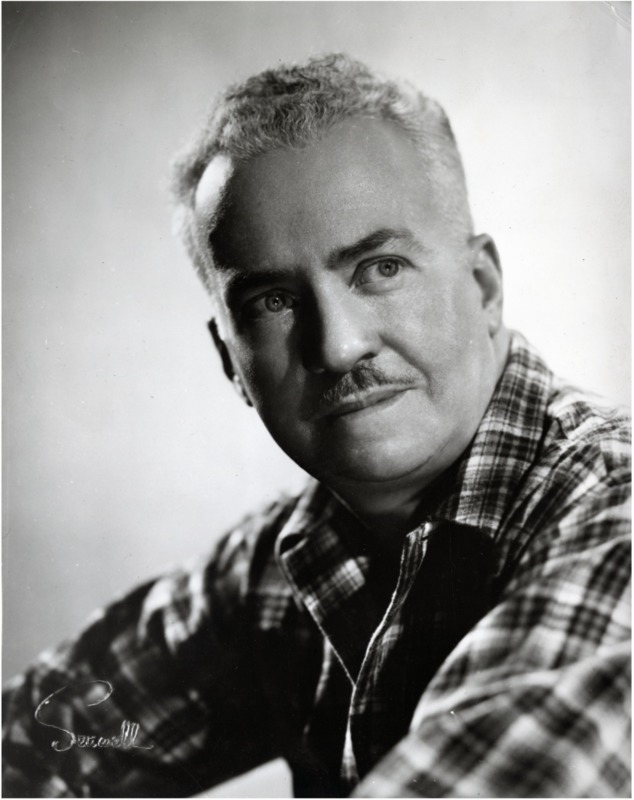
    <summary type="html"><![CDATA[<p><strong><em> The lowering of residency requirements caused Reno housing options to expand.</em></strong></p><img src="https://www.intermountainhistories.org/files/fullsize/d3ed162ddf5fc6fdc24f072de821c426.jpg" alt="Cornelius Vanderbilt" /><br/><p>News of Laura Corey’s divorce brought hopeful divorcees to Reno in droves. To augment the influx of divorcees and improve the state’s reputation, the state legislature voted to lengthen the time required to establish residency in 1913. The state increased the required six-month residency to one year to slow the draw of divorcees. However, amidst competing divorce havens, Nevada’s economic success came to a halt. Therefore, just two years later, in 1915, the legislature remitted the change and the six-month residency was reinstated. The divorce mecca was restored. Divorcees continued to cycle through the town throughout that decade and into the next.</p><p>The fluctuating residency requirement shifted again in 1927 as six month stays were reduced to three months. However, as the Great Depression hit, divorces around the country waned. In 1931, Nevada combatted the economic devastation by legalizing gambling and amending the state residency requirement. Suddenly, residency could be established and divorces obtained in a mere six weeks. By offering the easiest divorces and the forbidden sport of gambling, Nevada found financial respite in one of the most devastating economic crises. </p><p>With their sights on the 1927 revisions to the state’s divorce law, forthcoming hotel owners lobbied to support the reduction in residency requirement. As a result, two massive hotels were constructed to accommodate the anticipated influx of visitors. The El Cortez Hotel and the Riverside Hotel would continue to expand over the 19th-century. </p><p>This growth of housing opportunity in Reno would explode and diversify in the coming decade. After the residency requirements were shortened once again in 1931, the city’s population continued to swell and more divorcees began to briefly call Reno home. The town’s expanding population was supported by the city’s accommodations. The housing accommodations varied to fit the range of economic backgrounds flocking to the city.</p><p>The emergence of guest ranches in the 1920s offered alternative housing for Reno divorcees. In 1927, Cornelius Vanderbilt Jr. opened the luxurious Lazy Me Dude Ranch which was equipped with private baths for posh visitors like Amelia Earhart.  Lavish accommodations like Vanderbilt’s contributed to an increase in affluent visitors and Reno offered divorces to many prominent figures during the early 1930s.  In a span of three years, Dale Carnegie (1931) General MacArthur (1929), and Norman Rockwell (1930) all received Reno divorces either by their spouse’s trek to the city or by their own Reno relocation.  </p><p>Dude ranches offered housing at lower costs and subsequently offered the possibility of divorce to those with less financial security. On these ranches, labor may be required to fulfill housing costs. While some found peace and solace in a cost-effective stay on a ranch, other visitors found themselves spending their six-weeks at a luxurious six story hotel. Reno’s economic opportunity offered a variety of housing options for those seeking dicorves. While housing and entertainment expanded, the Washoe Courthouse remained Reno’s greatest attraction as the courthouse flooded with divorce decrees.</p><p><em><strong><a href="https://www.intermountainhistories.org/items/show/350">For more (including 3 images) view the original article</a></strong></em></p>]]></summary>
    <published>2019-09-28T03:14:49+00:00</published>
    <updated>2026-04-17T19:32:06+00:00</updated>
    <link rel="alternate" type="text/html" href="https://www.intermountainhistories.org/items/show/350"/>
    <id>https://www.intermountainhistories.org/items/show/350</id>
    <author>
      <name>Ann Johnston, Brigham Young University</name>
    </author>
  </entry>
  <entry>
    <title type="html"><![CDATA[Making the Divorce Capital of the World]]></title>
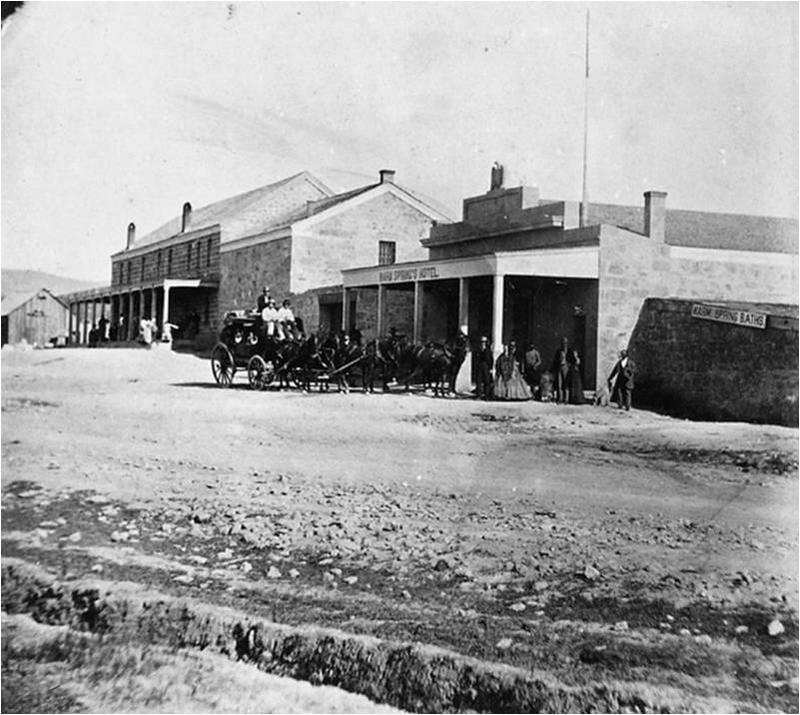
    <summary type="html"><![CDATA[<p><strong><em>Divorce blossomed in the American west though the emergence of Nevada’s statehood and lenient divorce laws.</em></strong></p><img src="https://www.intermountainhistories.org/files/fullsize/aba27889d61cd8ebc9fc597b5042952b.jpg" alt="The Warms Springs Hotel" /><br/><p>For the majority of the 20th century, Reno, Nevada served as the divorce capital of the world. The state offered easy divorce requirements at a time when most states discouraged divorce through complex legal barriers. Nevada’s comparatively lax requirements for divorce demonstrated the early evolution to normality of divorce evident today.  </p><p>Modern divorce stems from ancient Rome.  Romans bore liberal views of divorce when compared to the strict marital laws of England that are most evident in chaotic attempts by English ruler Henry the VIII to be released from marriage. While King Henry and his many wives received annulments rather than divorces, 1,500 years earlier Romans allowed men and women to seek divorce. English and Roman precedents bore lasting influence on world perspectives of ending marital commitments. </p><p>Hundreds of years after King Henry’s marital discords, a country emerged across the sea. America held a flourishing population and new marital laws. American divorce was bred by Roman and English influences but took innovative turns. In the early 20th century, American states held varied qualifications for divorce. Many states held extensive requirements to prevent divorce, New York being the most extreme.  New York demanded evidence of adultery for grounds for divorce. Others states like Nevada offered comparative ease of nuptial dissolution. One Colorado newspaper noted Nevada’s lenient laws on their front page, “extreme stinginess is considered a sufficient cause for divorce in Nevada court.” </p><p>Interstate influences were paramount in developing the divorce haven. Nevada’s lenient divorce law drew from Utah’s divorce traditions. The neighboring Utah territory held liberal qualifications like “incompatibility” as grounds for divorce. These lenient divorce requirements accommodated women trying to leave unhappy polygamous situations. However, so liberal was Utah’s divorce law, Nevada dropped Utah’s no-fault divorce in their adaptation of divorce law. Although Utah offered more liberal divorces, Nevada welcomed more out of state divorcees who could obtain residency more easily. This low residency requirement fostered  the migratory divorce trade and opened Nevada’s lenient divorces to unhappy couples all over the country.</p><p>The territory’s first legislature met and established foundational laws between October and November of 1861 in the upper room of the Warm Springs Hotel. The hotel was located in the recently established legislative city of Carson City which would become the state capital. When the state of Nevada emerged in 1864, the divorce laws bore minimal changes from those established in the territory’s 1861 legislature.  </p><p>Nevada’s liberal grounds for divorce drew divorce tourism which offered economic growth for the western territory. In offering a unique ease of dissolution to marriage, Nevada found economic growth in providing a home to the divorce tourists. Nevada encouraged a divorce migration by pairing liberal grounds for divorce with short residency requirements to allow people from other states to benefit from the state’s liberal divorce laws. With easier divorcements and quick residency, many unhappy wives and husbands came flocking to the city of Reno which teemed with housing and cultural accommodations for divorcees.</p><p><em><strong><a href="https://www.intermountainhistories.org/items/show/346">For more (including 3 images) view the original article</a></strong></em></p>]]></summary>
    <published>2019-09-28T02:00:38+00:00</published>
    <updated>2026-04-17T19:32:06+00:00</updated>
    <link rel="alternate" type="text/html" href="https://www.intermountainhistories.org/items/show/346"/>
    <id>https://www.intermountainhistories.org/items/show/346</id>
    <author>
      <name>Ann Johnston, Brigham Young Universty</name>
    </author>
  </entry>
</feed>